
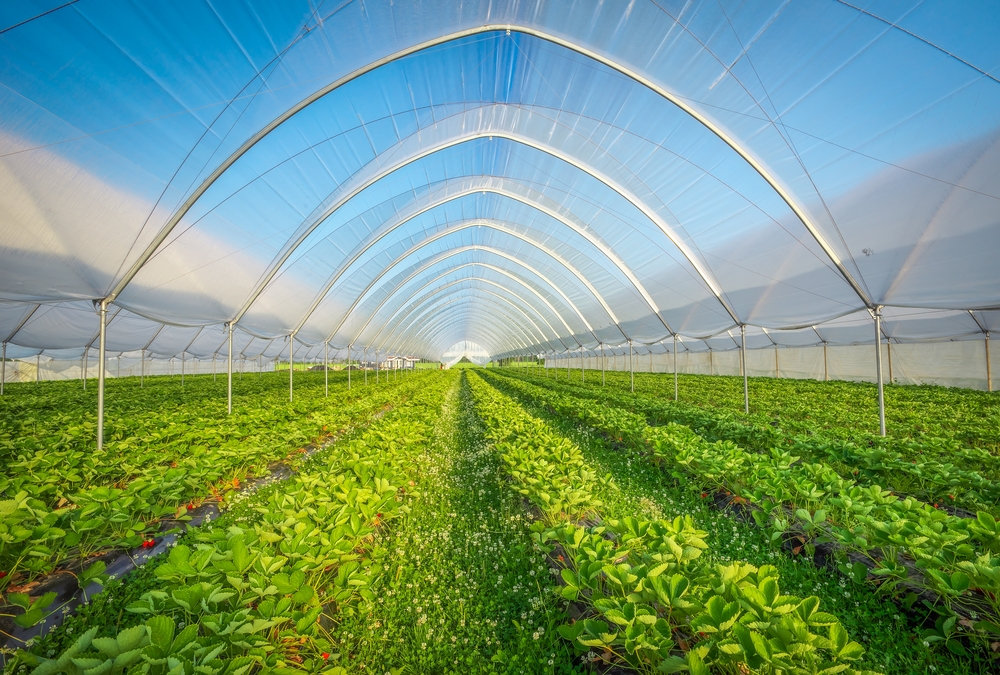
For many small farms, one of the biggest challenges is not learning how to grow crops, but learning how to protect them from the constant instability of outdoor conditions. Rain arrives at the wrong time, wind damages tender plants, cold nights slow growth, heat stress reduces quality, and sudden weather shifts make planning much harder than it first appears. This is one of the main reasons high tunnel farming has become such a valuable strategy for growers who want more control without moving into a fully enclosed greenhouse system. A high tunnel gives farmers a practical way to extend the season, improve crop consistency, reduce weather-related stress, and create a more stable production environment.
High tunnels are especially attractive for small farms because they can increase the value of limited space. Instead of depending entirely on open-field conditions, the grower can use a protected area to start earlier, harvest later, improve crop quality, and reduce losses caused by wind, heavy rain, or temperature swings. On many farms, this makes the difference between a crop that is merely possible and a crop that becomes more reliable and profitable. High tunnels are not magic, and they do not remove every production problem, but they create a more manageable environment where the grower can make smarter use of water, timing, labor, and crop planning.
At the same time, high tunnels require good management. A tunnel changes the environment, but it also creates new responsibilities. Irrigation becomes more important because natural rainfall may no longer reach the crop in the same way. Ventilation matters because excess humidity and poor airflow can increase disease pressure. Soil inside tunnels needs careful attention because repeated production under cover can stress the same growing space if the farmer ignores fertility, organic matter, and rotation. In other words, a high tunnel gives the grower more control, but that control only becomes valuable when it is used well.
This guide explains what high tunnel farming is, how it differs from greenhouse production, why farmers use tunnels, which crops perform especially well in them, how irrigation and soil management work under cover, what pest and disease challenges appear in tunnel systems, and how to decide whether a high tunnel is worth the investment for a small farm. For growers who want season extension, stronger crop quality, and a more protected production system, high tunnels are one of the most practical tools to understand.
What High Tunnel Farming Is
High tunnel farming is a form of protected cultivation in which crops are grown inside a simple framed structure covered with plastic or another protective material. The structure creates a more controlled growing environment than an open field, but it is usually less mechanically intensive than a fully equipped greenhouse. In many cases, high tunnels rely more on passive solar warmth, manual or simple ventilation, and practical field-style production methods rather than highly automated environmental control.
The main idea behind a high tunnel is straightforward: protect the crop from harsh or unstable outside conditions while still keeping production relatively simple and scalable. The tunnel reduces exposure to wind, rain, hail, and some temperature extremes. It also creates a slightly modified microclimate that can support earlier planting, later harvest, improved crop appearance, and more stable production windows. This is especially useful for small farms that want to improve quality and timing without investing immediately in more expensive infrastructure.
Unlike a fully enclosed building designed for highly technical climate management, a high tunnel often feels like a hybrid between open-field farming and greenhouse growing. The crops still require practical field skills such as irrigation planning, bed preparation, spacing, and pest observation, but they are managed under a layer of protection that changes the way the system behaves. This shift is often enough to transform how a farm approaches certain crops.
For beginner growers, one of the most important things to understand is that a high tunnel is not only a structure. It is part of a different production approach. Once a crop moves under cover, the farmer must begin thinking differently about water, humidity, airflow, soil use, and timing. The structure helps, but the management inside it matters just as much.
High Tunnel vs Greenhouse
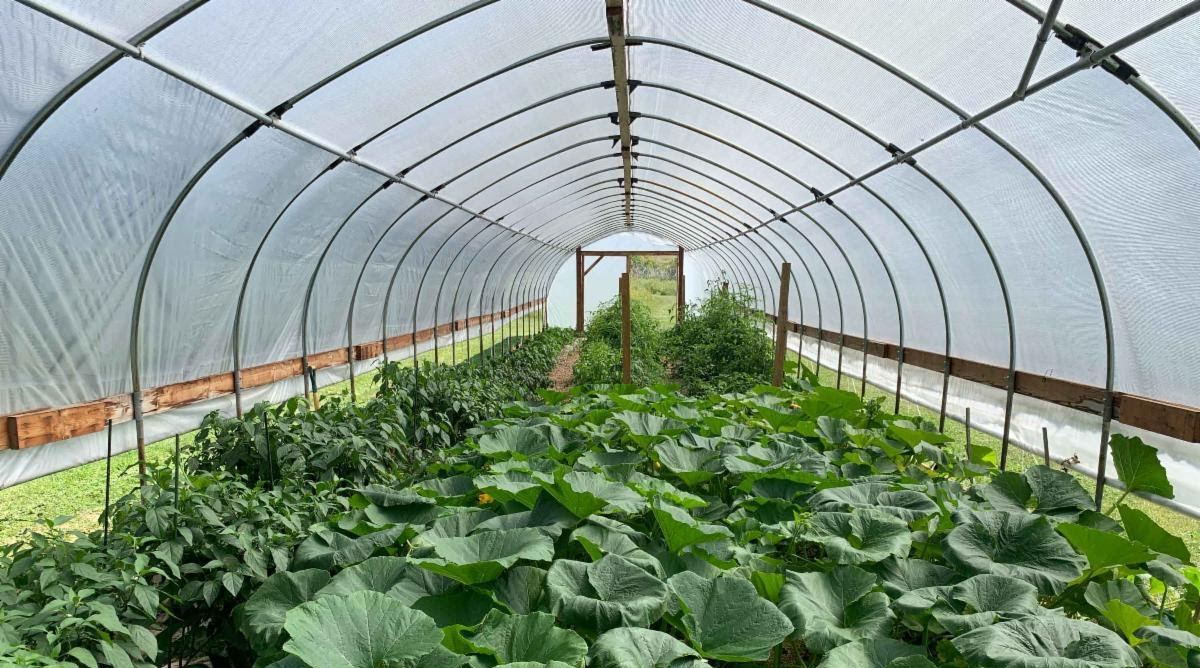
Many people use the terms high tunnel and greenhouse as if they mean exactly the same thing, but in practice they are not identical. Both are protected growing spaces, yet they are usually managed differently and offer different levels of control. Understanding that difference helps a grower make better decisions about whether a high tunnel is the right fit for the farm.
A greenhouse is often designed for a higher level of environmental control. It may include automated ventilation, supplemental heating, more advanced irrigation systems, controlled benches or containers, and a production model that is more intensive and enclosed. A greenhouse can support highly specialized production, but it also tends to involve higher costs, more technology, and a management style that may be less field-oriented.
A high tunnel, by contrast, is usually simpler. It often depends more on passive heat from sunlight and on manual or semi-manual venting. Crops are commonly grown directly in the ground rather than entirely in bench systems or containers. This makes the tunnel feel closer to soil-based farming, just under more protective conditions. For many small farms, that balance is ideal because it supports season extension and crop protection without requiring the complexity of a full greenhouse operation.
Cost is another important difference. High tunnels are often more accessible for small growers because the initial investment is lower than for many greenhouse systems. That does not mean they are cheap or effortless, but they can offer a more realistic entry point into protected cultivation. The tradeoff is that the grower has somewhat less environmental control and must manage the tunnel carefully using observation and daily decision-making.
In practical terms, the question is not whether one is universally better. The question is which one fits the farm’s goals, budget, climate, and management style. For many small farms, the high tunnel is the more practical starting point because it improves protection and season length while still keeping the system closely connected to ordinary field production methods.
Key Benefits of High Tunnels
One of the biggest benefits of high tunnels is season extension. This is often the main reason growers first become interested in them. A tunnel can allow the farm to plant earlier in the season, protect crops during cooler shoulder periods, and continue harvesting later than would be possible in open ground alone. For market farms, this can create valuable windows when produce is less common and demand may be stronger.
Another major benefit is crop protection. Heavy rain, strong wind, hail, and sudden cold events can damage open-field crops quickly. A tunnel reduces that exposure and helps create a more buffered environment. This often improves not only survival, but also quality. Fruits may split less, leaves may look cleaner, and crops may grow more uniformly when they are not constantly battling weather extremes.
High tunnels can also improve management efficiency. Because the growing environment is more stable, the farmer may be able to predict crop timing more accurately, reduce weather-related disruptions, and organize labor more effectively. This matters a great deal on small farms where every missed planting window or damaged crop has a larger impact on the season as a whole.
Quality control is another key advantage. Crops grown under protection often show cleaner leaves, more marketable appearance, reduced rain damage, and more consistent growth. For crops sold fresh, this can improve the value of what the farm produces even when the planted area remains modest.
Finally, high tunnels can increase the productivity of limited space. A relatively small protected area may produce high-value crops more consistently than a larger area of exposed field. For small farms, this is one of the most attractive features. It allows careful growers to intensify production without simply expanding land use.
Why High Tunnels Matter for Small Farms
Small farms often work with limited land, limited labor, and limited margin for error. Because of that, anything that improves reliability can have a big effect on the whole business. A tunnel can help make key crops more dependable, which improves not only output but confidence in planning. If the farm knows that certain crops can be protected from rain damage, frost risk, and strong wind, it becomes easier to build a production calendar and estimate how much labor will be needed.
High tunnels also matter because they can support stronger diversification without forcing the farm to become too large. Instead of increasing acreage to chase more output, the farm may improve results by protecting higher-value crops in a more concentrated space. This is especially useful for small vegetable farms, herb growers, berry producers, and mixed farms that need dependable premium harvests from selected crops.
Another reason tunnels matter is that they allow the grower to learn more deeply about environmental management. Working under protection teaches important lessons about irrigation, airflow, pest monitoring, soil care, and crop timing. Those lessons often improve the farm beyond the tunnel itself because they strengthen the grower’s general production skills.
For some farms, the high tunnel becomes the center of the most profitable or strategic part of the operation. For others, it serves as an extension tool that supports earlier sales, better succession timing, or improved crop security. In either case, the value often comes from the way the tunnel helps the farm use its existing resources more intelligently rather than simply trying to do more with brute force.
Best Crops for High Tunnel Production
Not every crop benefits equally from tunnel production, so one of the most important decisions is choosing crops that truly justify the protected space. In many cases, the best tunnel crops are those that benefit strongly from weather protection, season extension, and consistent quality. High-value crops that suffer easily in open conditions often become much more reliable under cover.
Tomatoes are one of the classic examples. Under tunnel conditions, tomatoes often benefit from reduced rain exposure, more stable early and late-season temperatures, and improved fruit quality. This makes them one of the most widely grown tunnel crops on small farms. Their value, however, depends on good trellising, ventilation, irrigation, and regular observation.
Leafy greens also perform well in tunnels, especially during cooler seasons when protection from frost, excess rain, or cold wind can make a major difference. Tunnels can help produce more consistent greens when open-field growth would be too slow, too exposed, or too uneven.
Herbs are another strong category. Many herbs benefit from cleaner growing conditions, weather protection, and season extension. In some cases, tunnels help maintain better quality and more regular harvest timing, which is valuable for both direct sales and specialty markets.
Strawberries and other small fruit crops may also benefit depending on the climate and production style. Rain protection can improve fruit quality significantly in some systems, while the warmer and more stable environment can support better timing and cleaner harvests.
Early-season vegetables and specialty crops also fit well in tunnels when the farm wants a market advantage. The key is not simply choosing what can grow there, but choosing what gains real value from being there.
Irrigation and Soil Management Inside High Tunnels
One of the biggest differences between open-field growing and tunnel growing is that water management becomes much more central. In open ground, rainfall contributes to the crop’s moisture supply, even if irrigation is still needed. Inside a tunnel, natural rain often does not reach the soil in the same way, which means the grower becomes far more responsible for delivering water consistently and correctly. This is why many tunnel systems depend heavily on water delivery inside protected spaces as one of the most important parts of tunnel management.
Drip irrigation is commonly used in high tunnels because it allows targeted root-zone watering and helps keep foliage drier than broad overhead methods. This can support more efficient water use and reduce some disease pressure associated with excess leaf wetness. However, the system still has to be managed carefully. Tunnel-grown crops may use water differently depending on season, crop density, ventilation, temperature, and soil condition. A grower cannot simply irrigate on a fixed schedule without paying attention to how the tunnel environment is changing.
Soil management inside tunnels is equally important. Because the tunnel protects the same growing space repeatedly, the soil may face more continuous production pressure than open fields do. If the grower ignores organic matter, rotation, nutrient balance, and structure, the soil can slowly become less productive or more difficult to manage. Tunnels often produce excellent crops, but they can also hide the early signs of soil decline if the farmer is focused only on harvests and not on the long-term condition of the bed.
This is why tunnel soil should still be treated like living farm soil, not like an endlessly productive medium that can be pushed without recovery. Compost, careful rotation where possible, residue management, and observation of moisture behavior all matter. Salt buildup awareness may also be important depending on irrigation water, fertility practices, and tunnel management habits. A tunnel can make production more stable, but only if the soil inside it remains healthy enough to support that stability year after year.
Temperature, Ventilation, and Humidity Control
High tunnels protect crops, but they can also create environmental stress if ventilation is poor or temperature swings are ignored. One of the biggest lessons in tunnel management is that protection does not mean sealed isolation. A tunnel must breathe. On sunny days, temperatures can rise quickly even when outside conditions seem mild. Without proper venting, crops may suffer heat stress, reduced pollination quality, poor airflow, and rising humidity.
Ventilation helps manage both temperature and moisture. When humid air remains trapped, the tunnel becomes a more favorable environment for many disease problems. Stagnant air can also make crops weaker and reduce the quality benefits the tunnel was supposed to provide. This is why growers often open sides, doors, or end walls depending on the tunnel design and weather conditions. Observation matters here because tunnel conditions can shift rapidly during the day.
Humidity management is especially important in dense crop canopies. Tomatoes, cucumbers, and leafy crops can all create high-moisture environments inside a tunnel if spacing, pruning, airflow, and irrigation are not balanced properly. A grower who understands ventilation well often prevents many future problems before they become obvious.
Temperature and ventilation decisions also affect labor timing. The farmer may need to open the structure early in the day, close it later depending on season and risk, and respond differently as the weather changes. This becomes part of the daily rhythm of high tunnel farming. The tunnel offers protection, but it also asks for attention.
Pest and Disease Challenges in High Tunnels
High tunnels reduce some weather-related problems, but they do not remove pest and disease pressure. In fact, the more protected environment can sometimes make certain problems more persistent if airflow is poor, crops are too dense, sanitation is weak, or the same crop is repeated too often. This is why tunnel production requires careful observation and stronger prevention rather than assuming that protection alone solves everything.
Humidity-related disease pressure can be especially important in tunnels. When moisture stays trapped, crops may become more vulnerable to fungal and bacterial problems depending on the species and the season. Airflow, pruning, spacing, and irrigation timing all help reduce this risk. Keeping leaves dry when possible and avoiding unnecessary moisture buildup are major parts of good tunnel management.
Pests can also behave differently under cover. A protected environment may help some pests establish more steadily if they are not noticed early. Because tunnels often hold valuable crops in concentrated spaces, even moderate pest pressure can become more serious quickly. This is one reason growers benefit from managing tunnel pests more carefully through regular scouting, sanitation, and structured decision-making.
Repeated use of the same protected area can also contribute to recurring issues if the farmer ignores rotation, residue cleanup, and field hygiene. Old plant material, weeds, and leftover crop stress can create a weaker environment for the next cycle. A tunnel is valuable, but it magnifies both good and bad management. Careful farmers usually see strong results. Careless tunnel management can create stubborn recurring problems in a very expensive part of the farm.
Labor, Planning, and Production Scheduling
High tunnels improve production potential, but they also increase the need for precise planning. Tunnel space is valuable, which means every crop placed inside it should have a clear purpose. The grower needs to think carefully about planting dates, crop succession, harvest windows, cleanup, and what comes next in the same protected area. A tunnel that is left underused, badly timed, or clogged with declining crops often delivers far less value than it could.
Labor also changes under tunnel production. Crops grown under cover often need more regular observation, more active ventilation decisions, and sometimes more intensive pruning, trellising, or irrigation oversight. This does not make tunnels a bad choice, but it means they should be integrated into the farm schedule thoughtfully. A small farm already stretched too thin may struggle to get the best value from a tunnel unless the crops and routines are matched to available labor.
At the same time, good tunnel planning can improve labor efficiency by reducing weather disruption and concentrating high-value production in one manageable zone. Instead of losing workdays to soaked fields or damaged crops, the grower can often continue production more steadily. This can be especially valuable for farms thinking seriously about planning profitable small-scale growth rather than simply expanding land use without structure.
The most successful tunnel systems are rarely random. They are scheduled, observed, and used with a clear production purpose. The more valuable the tunnel space becomes, the more worthwhile careful planning becomes as well.
Is a High Tunnel Worth It for a Small Farm?
This is the question most growers eventually ask, and the answer depends on the farm’s goals, climate, crop choices, market model, and management ability. A high tunnel is worth it when the value it creates through better quality, stronger timing, more reliable harvests, or season extension outweighs the cost and labor required to build and manage it. For many small farms, the answer is yes, especially when the tunnel is used for crops that respond strongly to protection.
However, a tunnel is not automatically worthwhile just because it looks productive. If the farm does not have a clear crop plan, reliable irrigation, strong soil management, and enough labor to handle ventilation and observation, the tunnel may underperform. A poorly used tunnel can become a hot, humid, stressful space that creates as many problems as it solves. This is why the decision should be based on readiness as well as desire.
Growers should think about what the tunnel would actually improve on their farm. Would it extend a profitable harvest season? Protect a fragile but valuable crop? Improve crop quality enough to justify the investment? Strengthen market timing? Reduce losses that currently make open-field production unreliable? If the answer is clear, the tunnel often becomes much easier to justify.
For many small farms, a high tunnel is one of the best ways to increase the effectiveness of limited space. But its value comes from matching the structure to the right production system, not from assuming that plastic cover alone creates profit.
Long-Term Tunnel Management and Soil Care
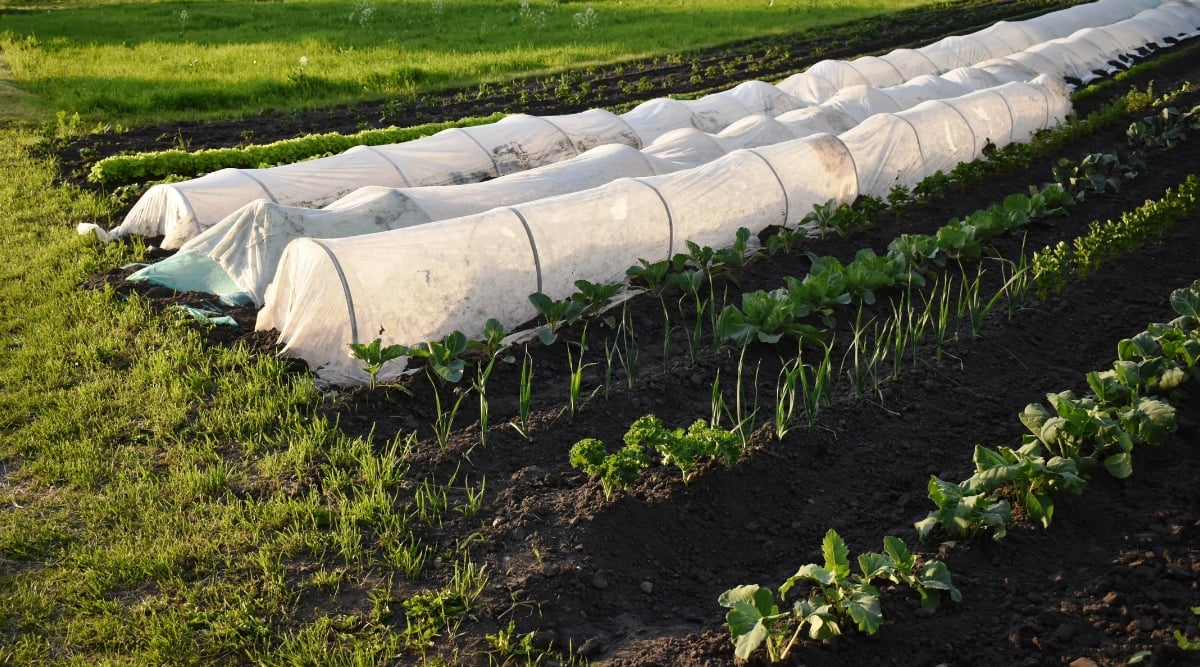
One of the most important things to remember about high tunnel farming is that the structure may stay in place for years, and the soil inside it may be asked to produce heavily during that entire time. Because of that, long-term care matters enormously. A tunnel that produces excellent crops for two years but slowly declines because the soil is overused, salts build up, or disease pressure increases is not being managed as well as it could be.
Long-term success usually depends on treating the tunnel like a protected field system rather than a short-term productivity machine. That means watching soil condition closely, rotating where possible, adding organic matter, using compost wisely, monitoring irrigation quality, and cleaning up crop residues properly between cycles. Even though the tunnel feels separate from the rest of the field, it still depends on the same biological truths: healthy soil supports healthier crops, and weak soil makes everything harder.
Long-term tunnel management also includes structural care. Plastic covering, frame integrity, venting systems, doors, anchors, and irrigation components all need regular attention. A tunnel is a farm asset, and like any valuable asset, it performs best when it is maintained intentionally.
When farmers combine structural maintenance with strong production habits, high tunnels can support years of better timing, stronger quality, and more dependable harvests. That is why they remain one of the most practical protected-growing tools for small farms that want to become more resilient and more efficient over time.
FAQ
Are high tunnels good for beginners?
Yes, high tunnels can be very useful for beginners, especially on small farms that want season extension and better crop protection. However, they work best when the grower is ready to manage irrigation, ventilation, and crop observation carefully rather than expecting the structure to solve problems on its own.
What grows best in a high tunnel?
Many high-value crops perform well in tunnels, especially tomatoes, leafy greens, herbs, strawberries, and early-season vegetables. The best crops are usually those that benefit strongly from weather protection, improved timing, and more stable quality.
Do high tunnels need irrigation?
Yes, irrigation is usually essential in high tunnels because natural rainfall often does not reach the growing area the same way it does in open fields. Most tunnel systems depend on well-managed irrigation, often drip-based, to provide consistent root-zone moisture.
What is the difference between a high tunnel and a greenhouse?
A high tunnel is usually simpler and more field-oriented, with less technical environmental control than a greenhouse. Greenhouses often involve more automation and more intensive climate management, while high tunnels typically rely more on passive solar warmth and manual ventilation.
Can high tunnels reduce pest and disease problems?
They can reduce some weather-related issues and improve crop protection, but they do not remove pest and disease risk entirely. In some cases, tunnels can increase humidity-related problems or recurring pest pressure if airflow, sanitation, and monitoring are poor.
Are high tunnels worth the investment for small farms?
They often are when used for the right crops and managed well. A high tunnel can improve crop quality, extend the season, and make limited space more productive. The investment is most worthwhile when the farm has a clear plan for how the protected space will create real value.
Does soil inside a high tunnel need special attention?
Yes, tunnel soil often needs especially careful management because it may be used intensively and repeatedly. Organic matter, irrigation quality, rotation where possible, and long-term soil balance all matter greatly inside protected systems.
Can a small farm use just one tunnel effectively?
Yes, even a single tunnel can make a major difference when it is used strategically. On many farms, one well-managed tunnel becomes a key part of the production system by protecting high-value crops and improving season timing.