
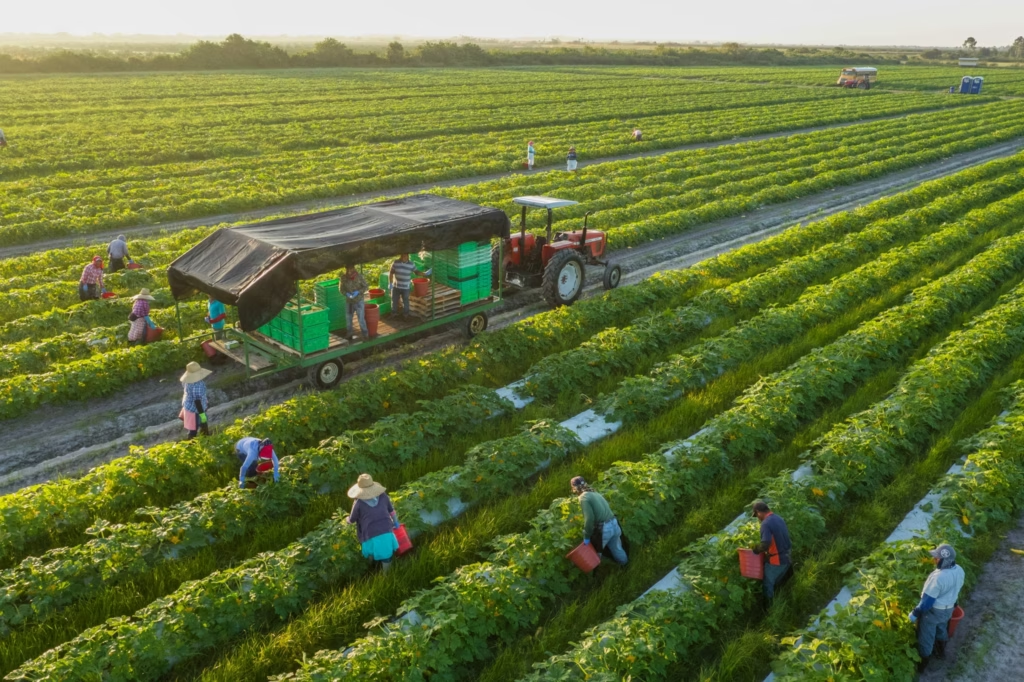
For many growers, the idea of organic farming begins with a simple goal: produce food in a way that feels cleaner, more thoughtful, and more connected to long-term soil health. Some farmers are drawn to organic production because they want to reduce dependence on synthetic inputs. Others see it as a way to build customer trust, strengthen market positioning, or align the farm more closely with ecological principles. But there is an important difference between using organic-style practices and pursuing official certification. That is where organic farming certification becomes a practical business and management decision, not just a philosophical one.
Certification matters because it changes organic production from a personal claim into a regulated and documented standard. A farm may already be using crop rotation, compost, cover crops, careful input selection, and preventive pest strategies, but certification requires those practices to be supported by records, compliance, inspections, and a clear understanding of what is allowed and what is not. In other words, certification is not simply about farming organically in spirit. It is about proving that the farm meets formal requirements in a consistent and verifiable way.
For beginners and small-farm growers, this topic can feel intimidating at first. There are forms to understand, inputs to review, timelines to consider, and a transition period that may take patience. At the same time, organic certification can create real advantages for the right farm. It may improve product value, help build stronger customer confidence, support access to specific markets, and encourage a more disciplined production system overall. Even farmers who are not ready to certify immediately often benefit from understanding how the process works because it shapes better decisions early.
This article explains the core basics of organic farming certification in a practical and realistic way. It covers what certification actually means, why farmers choose it, the difference between organic production and certified organic status, the transition period, the main requirements involved, the most common challenges, and the question every grower eventually asks: is certification worth it for a small farm? Along the way, it also shows how planning, soil management, and pest prevention fit into the broader organic system. The goal is not to make certification sound easy or difficult for dramatic effect. The goal is to make it understandable, useful, and relevant to real farm decisions.
What Organic Certification Actually Means
Organic certification is a formal process that verifies a farm is producing according to a recognized organic standard. This means the farm follows rules related to inputs, soil management, record keeping, crop handling, and overall production practices, and those rules are checked through documentation and inspection. Certification gives the farm the legal and market ability, where applicable, to present its products as certified organic rather than simply describing them informally as natural or low-input.
This distinction matters because many farms use methods that look organic from the outside but are not officially certified. A grower may avoid certain synthetic products, build soil with compost, use crop rotation, and rely on preventive pest strategies, yet still have no formal certification. That does not automatically make the farm ineffective or untrustworthy, but it does mean the farm has not been independently verified under an official system. Certification adds that extra layer of accountability.
For the farmer, certification usually means working within a structured framework. Inputs have to be chosen carefully. Farm records have to be kept clearly. Production history matters. Field management decisions need to be consistent with the applicable organic standard. The farm may also need to separate organic and non-organic materials or practices carefully if both exist in the same operation. This is why certification often improves management discipline even before it improves market opportunity.
It is also important to understand that certification does not mean perfect farming. Certified organic farms still deal with weeds, pests, weather stress, labor limits, and difficult seasons. Certification is not a guarantee of easy production. It is a system of standards that shapes how the farm approaches those challenges and what tools it may or may not use while doing so.
Why Farmers Consider Organic Production
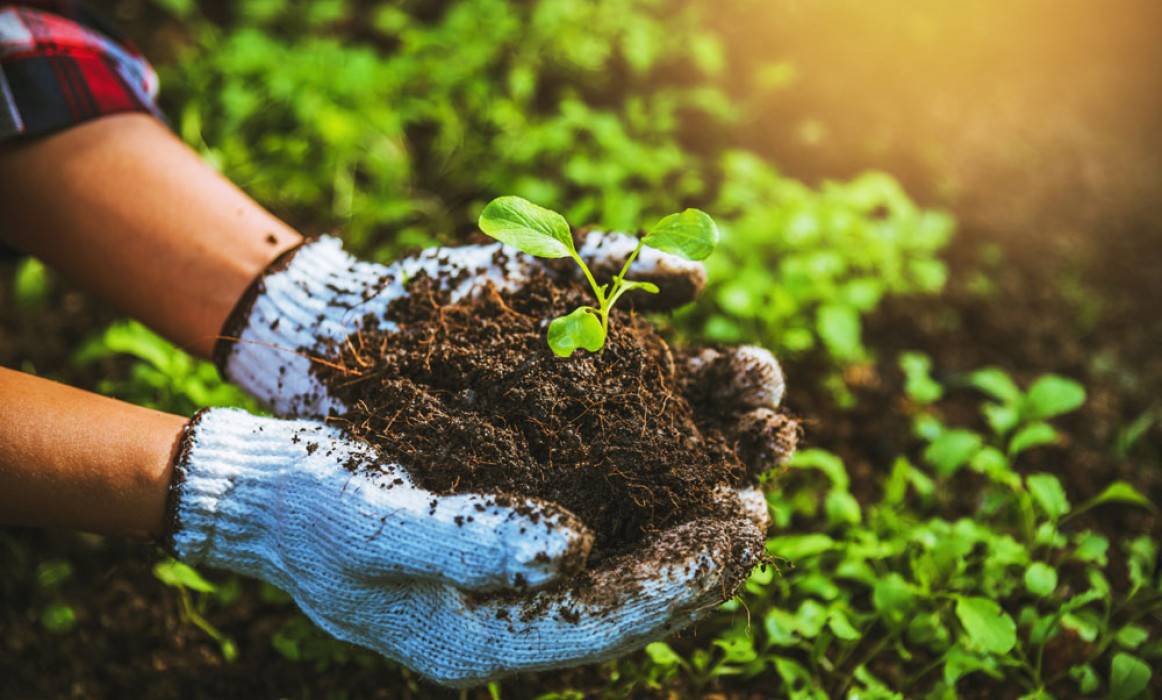
Farmers choose organic production for different reasons, and those reasons often overlap. One major reason is market value. In some markets, certified organic products can command stronger prices or attract buyers who are specifically looking for verified production standards. This can be especially important for small farms trying to differentiate themselves in a competitive environment. Certification may help the farm tell a clearer story and justify its methods in a way that customers understand immediately.
Another reason is trust and transparency. Customers increasingly want to know how food is produced, and certification offers a formal framework behind the farmer’s claims. Instead of simply saying that a crop was grown carefully, the farmer can point to a recognized system that supports that statement. For farms that rely on direct-to-consumer relationships, specialty markets, or brand trust, this can be highly valuable.
Some growers are drawn to organic farming because they want a system that pushes them toward stronger long-term management. Organic production often encourages better soil care, stronger record keeping, more thoughtful input selection, and a more preventive approach to crop protection. Even when certification is not the immediate goal, learning about organic systems can help a grower become more disciplined and more strategic. If you are still in the early planning stage of the farm itself, it helps to begin with starting a farm with a clear plan before deciding whether certification will fit the business direction later.
There is also a philosophical reason for some farmers. They may want to farm in a way that emphasizes biological processes, soil-building, reduced synthetic dependence, and longer-term ecological thinking. Certification does not guarantee that every farm has the same motivation, but it often attracts growers who want those principles reflected in the way the farm operates.
Still, organic production is not automatically the right choice for everyone. The decision should be based on market reality, management capacity, and the willingness to follow the system consistently. Organic certification can be a strong opportunity, but only when it aligns with how the farm actually works.
Organic Farming vs Certified Organic
One of the biggest points of confusion for new growers is the difference between farming organically and being certified organic. These are not the same thing, even though they may overlap heavily in practice. A farm can use compost, cover crops, crop rotation, approved-style biological controls, and careful soil management without having any formal certification at all. In that case, the production methods may be organic in spirit or even largely compliant in practice, but the farm does not hold certified status.
Certified organic means the farm has gone through the required process, maintained the required records, and been verified under the relevant standard. It is an official category, not just a description of intent. This matters because certification affects marketing language, labeling, documentation, inspections, and legal claims depending on the country and market involved.
Many growers begin by farming in a more organic way before deciding whether to certify. This can be a smart approach because it allows the farm to build experience with soil management, preventive crop care, and input awareness before taking on the full administrative side of certification. It also gives the farmer time to evaluate whether certified organic status will bring enough market benefit to justify the effort.
At the same time, growers who think certification may become important later should be careful from the beginning. Early management choices matter. Input history matters. Field records matter. A farm that wants to keep the certification path open usually benefits from organizing its systems early rather than trying to reconstruct everything later from memory.
The Organic Transition Period
One of the most important realities of organic certification is that farms usually do not become certified instantly. There is often a transition period during which the land and the production system move toward compliance before products can be sold as certified organic. This is one reason growers should think carefully before assuming certification can be added quickly whenever they feel ready. The timeline matters, and it affects both planning and expectations.
The transition period exists because organic certification is built on production history as well as current practice. The certifying body will generally want to know what has been used on the land, what the management system looks like, and whether the farm has met the required standards over the relevant period. This makes documentation and honesty especially important. The farm cannot simply decide one day to use organic methods and assume the certification label follows immediately.
For the grower, the transition phase can be both useful and challenging. It is useful because it creates time to strengthen systems, review inputs, improve records, and adjust management habits before certification is finalized. It can be challenging because the farm may already be carrying the workload of organic production while not yet receiving the full certified market benefit. That gap needs to be understood as part of the business decision.
This is also the stage where many farmers realize how valuable strong soil work really is. Certification is much easier to pursue when the farm already has a practical commitment to composting, crop rotation, and organic matter improvement. Many of the most important organic systems are built from soil-building practices for compliance long before inspection day arrives.
Main Requirements Farmers Need to Prepare For
Although exact rules vary by country and certification body, most organic certification systems require the grower to prepare for several major responsibilities. One of the biggest is record keeping. A certified organic farm needs to document what it does in a way that is clear, consistent, and verifiable. This often includes field histories, planting records, input records, harvest records, and information on how products are handled and sold. Good records are not optional extras in organic certification. They are central to proving compliance.
Another major requirement is input control. The farmer must know what materials are being applied and whether they are allowed under the applicable standard. Seeds, fertilizers, pest-control products, soil amendments, cleaning products, and post-harvest materials may all require attention depending on the operation. A farm that uses products casually without clear review will have trouble under certification because “probably acceptable” is not the same as clearly compliant.
Soil management is also a central requirement. Organic production is not meant to be a system that simply swaps one input list for another. The farm is generally expected to build fertility and crop performance through soil-focused strategies such as compost, crop rotation, cover cropping, biological activity, and long-term field improvement. This supports the whole philosophy behind organic standards and helps reduce dependence on short-term correction alone.
Inspection readiness is another important part of preparation. Certification usually involves review of records and farm practices by an inspector or certifying representative. The farm should be ready to explain what it does, show relevant records, identify production areas, and demonstrate how it keeps the system compliant. A well-organized farm usually handles this much more easily than a farm that has the right intentions but weak documentation.
For some farms, additional attention may also be needed for separation, contamination prevention, storage, labeling, and handling practices. The more complex the operation, the more important clear systems become. Organic certification is often manageable, but it rewards organization and consistency very strongly.
Why Record Keeping Matters So Much
Many growers find that record keeping is the part of organic certification that changes their farm the most. A farm may already be using sensible practices, but until those practices are documented clearly, they are much harder to verify, review, and improve. Organic certification relies on records because the system is built on proof, not memory. That means what was planted, what was applied, when it was applied, where it was applied, and what happened afterward should all be traceable.
Good records help the farmer as well as the certifier. They reveal patterns in crop performance, input use, problem areas, and seasonal management. They make inspections less stressful because the farm can show a clear history instead of trying to reconstruct decisions afterward. They also support better business management by showing how the farm actually operates rather than how the farmer assumes it operates.
For beginners, the lesson here is simple: start keeping records early, even if certification is still only a possible future goal. A basic log of inputs, field activities, planting dates, compost use, and harvest movement can become incredibly valuable later. Farms that delay record keeping often create extra work for themselves when certification starts becoming realistic.
Strong records also improve credibility within the farm team, with buyers, and with customers. They show that the operation is not just using organic language casually, but managing the farm with structure and accountability.
Common Challenges in Organic Transition
Organic transition often sounds attractive in principle but demanding in daily practice. One common challenge is weed pressure. Farms that reduce or eliminate certain conventional tools may find that weeds become harder to manage unless timing, cultivation, mulching, and rotation improve at the same time. Organic production usually requires a more preventive and disciplined approach because fewer rescue options may be available later.
Another challenge is input limitation. Growers sometimes discover that products they relied on previously are no longer acceptable or no longer fit easily into the organic system. This means the farm must learn to solve problems in different ways, often through stronger soil health, better timing, more careful field observation, or alternative approved inputs that may behave differently.
Documentation can also feel heavy at first. A farm that is used to informal decision-making may find the administrative side frustrating until a better routine is established. However, many growers eventually discover that the discipline of record keeping improves the whole operation, even if it felt like a burden at the beginning.
There can also be a yield adjustment period depending on the crop, field history, and previous management. Some farms transition smoothly, while others need time to rebuild soil function, improve biological balance, and adapt their production practices. This is one of the reasons organic certification should be approached as a system change, not merely a marketing label.
Pest and disease management can be another challenge if the farm has depended heavily on reactive treatments in the past. Organic systems usually reward prevention, monitoring, rotation, sanitation, and stronger field health. Growers often need to become much more comfortable with preventive crop protection methods if they want the transition to succeed.
Is Organic Certification Worth It for Small Farms?
This is one of the most important questions in the whole discussion, and the answer depends on the farm. For some small farms, certification is clearly worth it because it opens better markets, strengthens pricing, builds buyer trust, and supports a brand identity that matters commercially. For others, the paperwork, compliance burden, and transition period may outweigh the likely market advantage, especially if the farm already sells successfully based on direct personal relationships and transparent production methods.
The best way to answer the question is to look honestly at market access, customer expectations, production discipline, and long-term business goals. If certification will likely improve sales opportunities in a meaningful way, the added work may be justified. If the farm lacks the record systems, the production consistency, or the buyer demand to benefit from certification, it may be wiser to strengthen the organic-style practices first and delay formal certification until the system is ready.
Small farms should also think about time. Certification does not only require better farming. It requires better organization. If the operator is already stretched too thin, adding certification prematurely may create stress without enough return. On the other hand, some small farms are highly organized and can handle certification very effectively because their systems are already disciplined and closely managed.
In short, certification is worth it when it fits both the market and the farm. It is not a universal requirement for good farming, but it can be a strong strategic move when the operation is ready for it.
Organic Planning Checklist for Beginners
For growers who are interested in certification, it helps to think in terms of preparation rather than rushing directly into the process. A strong organic farm is usually built in layers, and each layer makes the next one easier.
- Clarify the goal: decide whether the farm is exploring organic methods, preparing for possible certification, or planning to begin the formal process soon.
- Review input habits: know exactly what is being used on the farm and whether those materials would fit an organic system.
- Strengthen soil practices: improve composting, crop rotation, cover cropping, and long-term field management.
- Build record systems: start tracking field history, planting, inputs, and harvest movement early.
- Understand the market: determine whether certification would likely improve sales, pricing, or buyer access.
- Study the transition timeline: do not assume certification can happen instantly.
- Improve preventive management: rely more on observation, sanitation, crop health, and field design.
- Organize the farm clearly: make production areas, storage, and handling systems easy to explain and verify.
This kind of preparation gives the farmer a much clearer picture of whether certification is realistic and worthwhile. It also improves the farm even if certification is delayed, because these practices support stronger management across the board.
How Certification Can Improve Farm Discipline
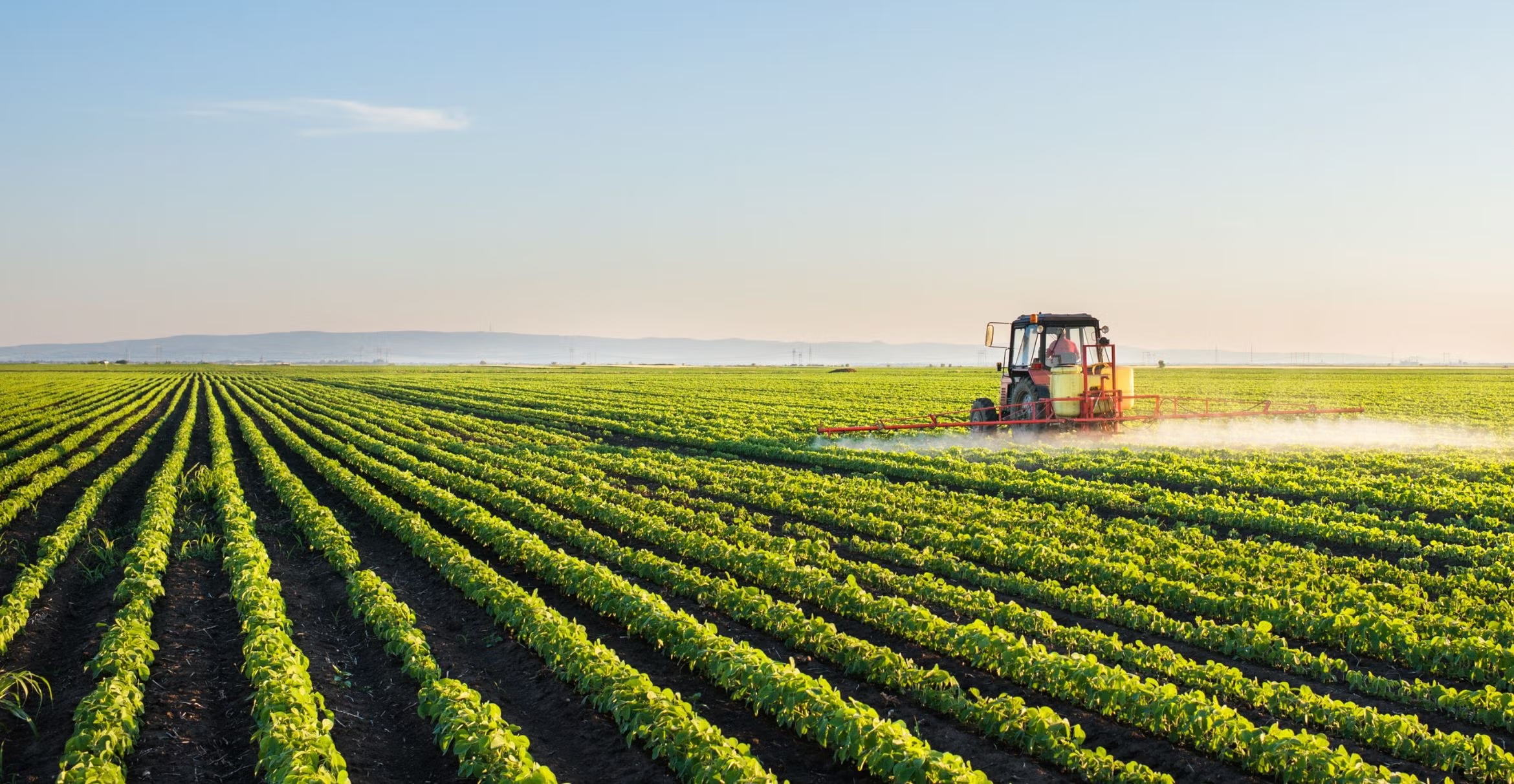
One of the less discussed benefits of organic certification is the way it improves discipline. Because the farm must document what it does, review inputs more carefully, and think through field management more systematically, many areas of the operation become stronger. The grower starts asking better questions: Why am I using this input? What happened in this field last season? Is this crop sequence helping the farm or creating recurring pressure? Are the records clear enough to explain every important decision?
This discipline can improve much more than compliance. It can improve planning, budgeting, field observation, crop rotation, sanitation, and overall consistency. In that sense, organic certification sometimes acts as a management framework as much as a market tool. It pushes the farm toward clearer systems, and clear systems usually lead to stronger long-term performance.
Even farms that never become certified can learn from this. The mindset behind certification—intentional decisions, traceable records, soil care, and preventive thinking—is useful whether or not the farm chooses the formal label in the end.
FAQ
How long does organic certification take?
The timing depends on the certification system, the farm’s production history, and the transition requirements that apply. In many cases, certification is not immediate because the land and the management system need to meet standards over time before the products can be sold as certified organic.
Is certification expensive?
Costs vary by region, certifier, farm size, and complexity, but the expense includes more than fees alone. Farmers should also consider record-keeping time, management adjustments, inspections, and the effort required to maintain compliance. Whether the cost is worthwhile depends on market benefit and farm readiness.
Can a small farm go organic successfully?
Yes, many small farms can succeed with organic certification or organic-style production, especially when they are well organized, attentive to soil health, and clear about their markets. Small farms often do well when they build strong systems before expecting certification to solve everything.
Do you need to be certified to farm organically?
No, a farm can use organic methods without being certified. However, certification is what provides formal verification and, depending on the market and local regulations, may be required for certain claims or sales channels.
What is the hardest part of organic certification?
For many growers, the hardest parts are record keeping, learning to manage within approved input limits, and maintaining consistency across the whole system. The difficulty usually comes less from one single rule and more from the need for ongoing discipline.
Why is soil management so central to organic farming?
Organic systems rely heavily on soil health because stronger soil supports crop resilience, nutrient cycling, moisture balance, and long-term productivity. Certification is built around the idea that healthy production begins with healthy field systems rather than quick short-term correction alone.
Can you transition to organic after years of conventional farming?
Yes, many farms make that transition, but it usually requires planning, documentation, and patience. The farm may need to adjust inputs, strengthen soil practices, and work through a transition period before achieving certified status.
Is certification worth it if you already sell directly to loyal customers?
It depends on the farm’s goals. Some direct-market farms do very well without certification because customers trust the grower personally. Others find that certification increases credibility, opens new channels, or strengthens pricing. The right answer depends on the business model and the market.
For broader guidance, read the complete farming overview.