
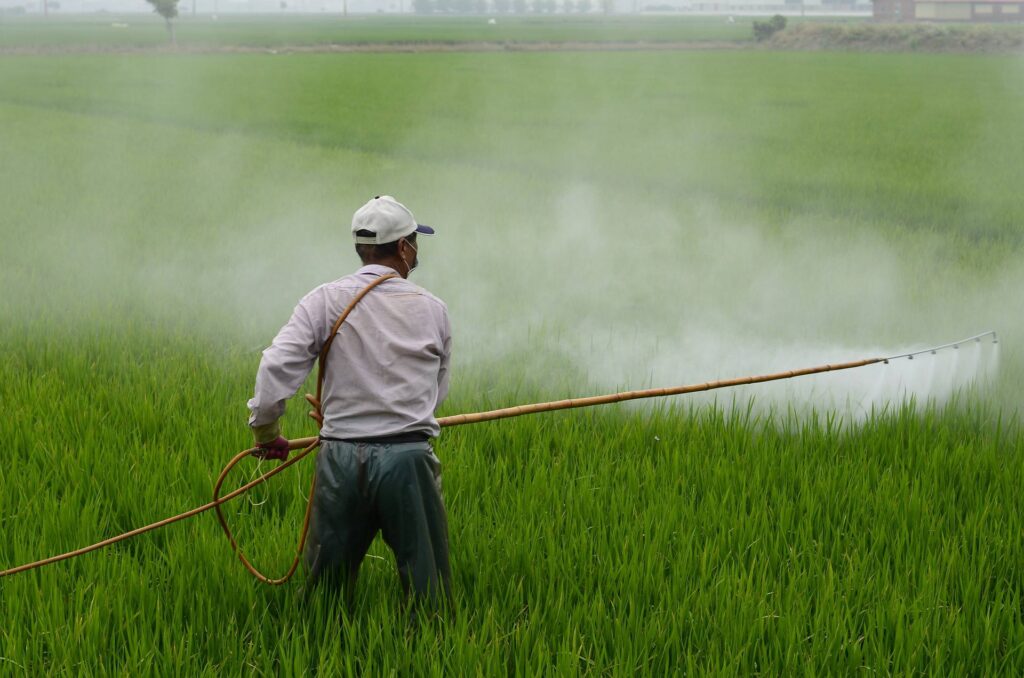
Many new farmers assume pest control begins when damage becomes visible, but strong farming systems handle pest pressure much earlier than that. By the time insects are spreading quickly, leaves are heavily damaged, or disease symptoms are obvious across a bed or field, the problem is often already advanced. This is why integrated pest management in agriculture matters so much. It gives farmers a practical way to prevent problems, monitor fields more carefully, reduce unnecessary chemical use, and respond with smarter decisions instead of panic. Rather than treating pest control as a last-minute emergency, integrated pest management, often called IPM, turns it into a structured part of whole-farm management.
IPM is especially valuable for small farms, beginner growers, and diversified operations because these farms often need efficient, low-waste solutions rather than expensive, reactive habits. Spraying without clear identification, copying advice from another region, or treating every problem as identical usually leads to wasted time, wasted money, poor control, and more stress in the field. In contrast, IPM asks better questions first. What pest is actually present? How serious is the pressure? What conditions helped the problem develop? Is immediate treatment necessary, or can the issue be reduced through field management, monitoring, and preventive action? These questions lead to better outcomes because they are based on observation rather than guesswork.
This article is a practical guide to understanding how integrated pest management works in real farming conditions. It explains what IPM means, why it matters on modern farms, the main steps involved in a useful IPM strategy, and how cultural, biological, mechanical, and chemical controls work together. It also looks at the role of soil, crop stress, irrigation, and field conditions in shaping pest pressure. Most importantly, it shows that pest control is not only about what to apply. It is about how to build a farm system that gives pests fewer opportunities to become damaging in the first place.
When used well, IPM does not make farming passive or weak. It makes pest control more disciplined. It helps farmers act earlier, observe more carefully, and make decisions that support the long-term health of the crop and the field. This is one of the reasons experienced growers often rely on IPM principles even when they use different tools. Good pest management is rarely about one product or one treatment. It is about understanding the whole system and using that knowledge to protect the crop more intelligently.
What Integrated Pest Management Means
Integrated pest management is a structured approach to controlling pests by combining observation, prevention, thresholds, and multiple control methods rather than relying only on routine spraying or guesswork. The word “integrated” matters because IPM is not based on a single action. It combines several different strategies so the grower can reduce pest pressure in a more stable and efficient way. Instead of reacting to every problem the same way, the farmer evaluates the pest, the crop, the field conditions, and the likely effectiveness of different responses.
In practice, this means the grower does not automatically spray at the first sign of any insect, weed, or disease-related issue. First, the pest should be identified correctly. Then the farmer should determine whether the pressure is light, moderate, or economically damaging. After that, the best control method or combination of methods can be selected. Sometimes the right step is improving airflow, adjusting irrigation, removing affected material, or changing crop timing. Sometimes biological or mechanical action works well. In other cases, targeted chemical control may still be appropriate, but it is used because it is needed, not simply because it is habitual.
This makes IPM very different from a “spray first” mindset. A spray-first system often ignores root causes, repeats treatments without understanding field conditions, and can create unnecessary costs or resistance problems over time. IPM tries to reduce these weaknesses by making observation and prevention central parts of pest control. That approach is often more sustainable, more economical, and more useful for farms that want stronger long-term results.
IPM also works across different categories of pest pressure. It is commonly associated with insect pests, but the broader concept can also apply to weeds, plant diseases, and other crop threats. The principle remains the same: identify clearly, monitor carefully, prevent when possible, and use the most appropriate control method at the right time.
Why IPM Matters on Modern Farms
Modern farms face many pressures at once: changing weather patterns, labor limits, tighter budgets, crop sensitivity, and the need to protect quality as well as yield. In that environment, reactive pest control is often inefficient. A farmer who waits until pest problems are severe usually ends up dealing with higher stress, more crop loss, and fewer good options. IPM matters because it helps the grower shift from reaction to preparation.
One major reason IPM matters is that it reduces unnecessary input use. When growers treat every pest sighting as an emergency, they often apply controls that are not truly needed or not well matched to the problem. That wastes money and can create additional issues, including pressure on beneficial insects, increased resistance risk, and crop stress. IPM reduces that waste by connecting treatment decisions to actual field conditions.
Another reason IPM matters is that it improves decision-making. Farms become more manageable when the grower understands why pest problems are happening and where the pressure is coming from. A weak crop under water stress, poor airflow, excess nitrogen, repeated planting of the same crop family, or neglected sanitation can all contribute to pest outbreaks. IPM encourages farmers to notice those patterns instead of viewing pests as random bad luck.
IPM is also valuable because it fits both conventional and lower-input farming systems. A farmer does not need to reject all chemical tools in order to use IPM. Instead, IPM helps ensure that any intervention is more targeted and more justified. This makes it useful across a wide range of farming styles, from diversified vegetable farms to larger field systems.
For beginners, the biggest benefit may be confidence. Pest problems feel less overwhelming when there is a process to follow. Instead of guessing, the farmer learns to inspect, identify, record, compare, and respond. That structure turns pest management into something practical rather than something mysterious.
The Main Steps in an IPM Strategy
A useful IPM strategy usually follows a clear sequence. The first step is accurate identification. Before doing anything else, the grower needs to know what is actually causing the problem. This sounds basic, but many pest-control mistakes begin here. Different insects cause different types of damage. Some disease symptoms resemble nutrient problems. Some chewing damage may look alarming but does not yet justify major action. Without correct identification, the farm may waste time treating the wrong issue.
The second step is monitoring. Monitoring means checking the field regularly instead of waiting for obvious damage to spread. This can include visual inspection, notes on pest presence, scouting patterns, traps in some systems, and careful attention to crop condition. A monitored field gives the grower early information, and early information creates more options.
The third step is evaluating thresholds. Not every pest presence means the crop is in danger. Some pests may be present at low levels without causing meaningful loss. The farmer needs to understand whether the problem is minor, increasing, or already serious enough to require action. Threshold thinking is what keeps IPM practical. It prevents overreaction while still allowing timely intervention when real pressure develops.
The fourth step is prevention. Good IPM spends a lot of effort reducing the chances that damaging pressure will build in the first place. Crop rotation, sanitation, healthy soil, balanced irrigation, airflow, spacing, resistant varieties where relevant, and strong crop timing all play a role here. Preventive management makes the field less favorable to pest outbreaks and helps crops remain stronger under stress.
The fifth step is choosing the best control method. This may involve one action or several. Some problems respond best to physical removal, row covers, or better field hygiene. Others may require biological support, timing changes, or targeted chemical action. The key is matching the method to the actual problem rather than following a routine without thought.
The final step is review. After action is taken, the grower should ask what happened, whether the strategy worked, and what should change next time. IPM gets stronger as records and field knowledge accumulate. Every season teaches the farm something.
Correct Pest Identification Comes First
Proper identification is one of the most important parts of IPM because every later decision depends on it. If the problem is misidentified, the chosen control is much more likely to fail. Farmers sometimes assume that all leaf damage is insect damage, or that all yellowing is a disease issue, when the true cause may be stress, nutritional imbalance, or environmental conditions. IPM slows the decision down just enough to make sure the grower is solving the correct problem.
Good identification involves looking closely at symptoms, crop stage, field pattern, and the pest itself when possible. Is the damage chewing, sucking, boring, spotting, wilting, or deforming? Is it concentrated in one area or spread evenly? Are there insects present, eggs, larvae, frass, webs, fungal growth, or signs of root trouble? Is the issue happening mainly in wet zones, hot dry zones, or shaded areas? These clues matter because they narrow the diagnosis.
It is also useful to recognize that beneficial insects may be present alongside pests. Not every insect in the field is harmful. A grower who sprays without understanding what is actually there may reduce natural control that was already helping. IPM supports better identification precisely because it avoids these unnecessary mistakes.
For beginners, photographs, field notes, and repeated close observation can help improve identification skills quickly. Over time, the grower begins noticing patterns: certain pests appear under certain weather conditions, certain symptoms spread in recognizable ways, and certain parts of the farm become more vulnerable than others. This kind of learning is one of the reasons IPM improves not just control, but general farm judgment.
Monitoring and Field Scouting
Monitoring is the practical habit that keeps IPM alive in everyday farming. Without regular scouting, even a good pest management philosophy becomes reactive because the field is only checked when damage is already obvious. Scouting means walking the farm with attention, inspecting plants, checking different sections, and looking for both pest presence and crop stress signals.
Good scouting is consistent rather than random. It helps to inspect fields on a regular schedule, especially during warm, humid, or otherwise high-risk periods. Look at upper and lower leaf surfaces, stems, growing points, fruit, and nearby weeds or residues if relevant. Some growers also check the edges of fields closely because pest pressure often begins there before spreading inward.
Scouting is not only about finding pests. It is also about noticing the conditions that support them. Is the canopy too dense? Is the field staying wet too long? Are some plants weaker than others? Is damage appearing only in stressed areas? These questions help the grower understand whether the pest is the whole problem or only part of a bigger issue. In many cases, the field condition explains why the pest is succeeding.
Records improve monitoring significantly. Notes on where pests appeared, when pressure increased, what the weather was like, and how the crop responded help build a practical knowledge base. Over time, the grower begins to see recurring patterns and can prepare earlier. This transforms pest management from emergency response into informed seasonal planning.
Cultural Controls: Prevention Through Better Farming
Cultural controls are often the most powerful part of IPM because they reduce pest pressure through everyday farm management. These are the choices farmers make in planting, spacing, rotation, irrigation, sanitation, timing, and crop care that influence whether pests find the field favorable or difficult. While they do not always look dramatic, they often provide the foundation that makes every other pest-control step more effective.
One major cultural control is crop rotation. Repeating the same crop family in the same place too often can encourage the buildup of recurring pests and disease pressure. A good rotation makes the field less predictable and can reduce the repeated host availability that many problems depend on. This is why many growers use rotation as pest pressure control as part of a broader farm strategy rather than treating rotation only as a soil issue.
Sanitation is another critical cultural control. Diseased residues, neglected cull piles, infested plant material, and uncleaned production areas can all help pest and disease issues continue from one cycle to the next. Removing or managing these sources reduces the chance that the problem will begin again so easily.
Spacing and airflow matter too. Dense plantings that remain wet for long periods often create ideal conditions for certain diseases and stress-related pest problems. Better spacing, pruning where appropriate, and thoughtful layout can reduce that pressure. Water management also belongs here. Overwatering, inconsistent irrigation, or constant leaf wetness can weaken crops and support disease development. IPM depends heavily on using farming practices that make the crop stronger rather than constantly struggling to rescue it later.
Timing can also be a cultural control. Sometimes a crop planted earlier or later avoids the worst window for a particular pest. In other cases, short-season varieties or more focused succession planning help reduce exposure. These are practical decisions that often cost less than constant intervention.
Biological Controls and Beneficial Organisms
Biological control refers to the role of living organisms in reducing pest pressure. This can include predators, parasitoids, pathogens that target pests, and the broader ecological support that helps beneficial populations survive in and around the farm. Biological control is one of the reasons IPM values observation so strongly. A field may already contain helpful insects or natural balance that the grower should avoid disrupting unnecessarily.
Predatory insects and other beneficial organisms can reduce pest populations by feeding on them or interfering with their life cycles. These natural relationships are part of many functioning farm ecosystems. When farmers spray broadly without understanding what is present, they may damage those beneficial populations and actually make long-term pest management harder.
Biological control does not always mean doing nothing and hoping nature solves the problem. It means understanding that the field is an ecosystem and making choices that preserve or support useful biological relationships where possible. Habitat around the farm, reduced unnecessary spraying, and thoughtful timing of interventions can all influence whether beneficial organisms remain active.
For some farms and pest situations, commercially available biological tools may also play a role. Whether those are appropriate depends on the crop system, the pest, the environment, and the grower’s management ability. What matters most in IPM is that biological controls are considered as real options, not ignored because they are less immediate than a spray bottle.
Mechanical and Physical Controls
Mechanical and physical controls are direct non-chemical actions used to reduce pest pressure. These methods are especially useful on small farms because they can often be applied precisely and quickly when the grower is observing fields carefully. While they may not replace every other method, they are a valuable part of an integrated approach.
Examples include hand-removal of infested plant material, using traps, barriers, row covers, screens, pruning affected tissue, cultivation for weed management, and cleaning or excluding pest sources. On smaller diversified farms, these methods can be extremely practical because the grower is often working closely with the crop and can respond early.
Physical controls are most effective when used at the right time. A row cover placed before pest pressure arrives can be much more useful than one applied after the pest is already well established. Removing affected leaves early may help slow a disease problem before it spreads widely. Mechanical controls fit best when the grower is already scouting and acting on good information.
These methods also remind farmers that pest management is not limited to products. Sometimes the right response is structural, physical, or organizational. That is one of the strengths of IPM: it expands the farmer’s options instead of narrowing them.
Chemical Controls as Part of IPM
IPM does not automatically reject chemical controls. Instead, it places them in the correct position within a larger system. Chemical intervention may still be necessary in some situations, especially when pressure is rising quickly or other methods are not enough to protect the crop. What makes the IPM approach different is that chemical control is used thoughtfully, based on identification, monitoring, thresholds, and the likely value of treatment.
This matters because routine or poorly targeted chemical use can create problems over time. It may increase resistance pressure, affect beneficial organisms, add unnecessary cost, and fail to solve the root cause of the outbreak. IPM encourages the grower to ask whether a chemical treatment is necessary, whether it is being applied at the right stage, whether the target is correct, and how that action fits into the broader management plan.
When chemical controls are used as part of IPM, the goal is precision rather than habit. A well-timed, well-chosen intervention can be much more effective than repeated broad use without a clear strategy. This is one reason IPM is respected across different farming styles. It helps growers avoid the false choice between doing nothing and spraying blindly. Instead, it supports informed and proportionate action.
How Field Conditions Affect Pest Pressure
Pest problems rarely develop in isolation. Field conditions often decide whether a crop can resist pressure or whether the pest gains an advantage. Weak crops, poor airflow, excess moisture, nutrient imbalance, repeated stress, and poor soil structure can all make fields more vulnerable. This is why IPM always works best when it is connected to overall crop health.
Healthy soil is especially important here. Crops growing in supportive soil conditions usually develop stronger roots, more stable growth, and better resilience under stress. Fields with poor structure, low organic matter, or weak water handling may produce crops that are easier for pests and diseases to exploit. If you want to strengthen the conditions beneath the crop, it helps to study field conditions that support strong crops as part of the same management system.
Irrigation also plays a major role. Overwatering may increase disease pressure and weaken root health, while inconsistent watering can stress crops and slow recovery. Excess vegetative growth from overfeeding may also make some crops more attractive or more vulnerable to pests. Even weed pressure matters because weeds can act as alternate hosts or create more humid, crowded conditions in the crop zone.
This is why strong pest management begins before pests are discussed directly. A balanced crop environment reduces the chance that minor pressure becomes a major problem. IPM is most effective when the grower sees pests as part of a field system, not as isolated enemies appearing out of nowhere.
Building a Simple IPM Routine for Small Farms
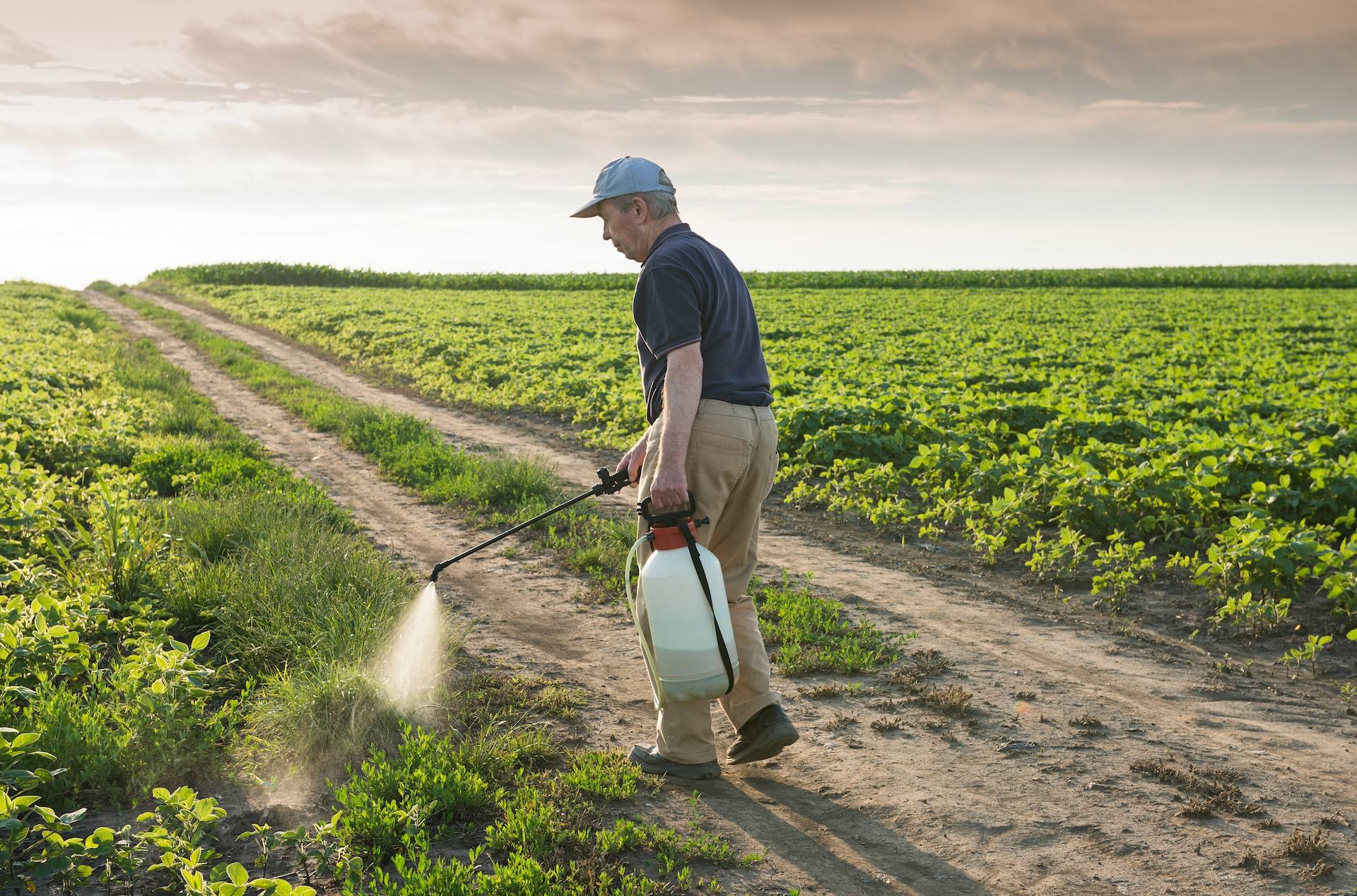
A small farm does not need a highly complex pest-management program in order to use IPM effectively. In fact, one of the best things about IPM is that it can begin with a clear and simple routine. The grower should decide how often to scout, what to record, which problem areas usually need extra attention, and what signs trigger closer inspection or action.
A basic weekly routine might include walking each production area, checking crop condition, inspecting leaf undersides where relevant, noting any damage patterns, and recording whether pest pressure is rising or stable. During high-risk weather or vulnerable crop stages, these checks may need to happen more often. The important thing is consistency. A field that is checked regularly becomes much easier to manage than a field that is only examined after something looks badly wrong.
The routine should also include review of sanitation, irrigation behavior, airflow, and plant stress. If the same problem keeps appearing, ask what condition is helping it. Is there a rotation issue? Is spacing too tight? Is water management contributing? Is there leftover plant material allowing the problem to continue? These questions help turn observation into better farm decisions.
Small farms also benefit from making IPM part of crop planning. Instead of thinking about pests only after planting, include pest risk in your crop calendar, field placement, and succession planning. That kind of preparation often makes low-input and system-based farming much more effective, especially if the grower is interested in low-input production systems or broader long-term resilience.
Common Mistakes in Pest Control
One of the most common pest-control mistakes is acting before identifying the problem correctly. This often leads to wasted treatments and growing frustration because the real cause remains in the field. Another major mistake is waiting too long to scout. Once damage is obvious across a larger area, control becomes more difficult and often more expensive.
Routine spraying without clear need is another weakness. It may feel proactive, but it often discourages deeper observation and can harm beneficial organisms while solving little. Some farmers also rely too heavily on one type of control, which makes the system less flexible. IPM works best because it integrates multiple methods rather than forcing one answer onto every problem.
Ignoring field conditions is another serious mistake. If the crop is constantly stressed by poor soil, weak airflow, uneven irrigation, or repeated planting patterns, pest problems may keep returning regardless of the product used. The farm must address the environment that supports the outbreak, not only the visible pest.
Finally, poor record keeping weakens pest management. If the grower does not know when a pest usually appears, where it begins, and what happened last time, each season becomes harder than it needs to be. Records turn repeated pest experience into practical skill.
FAQ
Is IPM only for large farms?
No, integrated pest management works very well on small farms too. In many cases, smaller farms can apply IPM especially effectively because the grower is able to scout closely, observe changes early, and use cultural or physical controls more precisely.
Can IPM reduce chemical costs?
Yes, IPM often reduces unnecessary chemical use because treatments are based on actual need, accurate identification, and field monitoring rather than routine spraying. This can save money while also improving control quality.
Does rotation help pest management?
Yes, crop rotation is one of the most useful preventive tools in IPM because it reduces repeated host availability and makes fields less predictable for certain pests and diseases. It works especially well when combined with good monitoring and sanitation.
What is the first step in IPM?
The first step is correct identification. Before choosing any treatment or control method, the grower needs to know what pest or issue is actually present and whether the damage level justifies action.
Why is monitoring so important in IPM?
Monitoring gives the grower early information. It helps detect pest presence before severe damage spreads and makes it easier to choose more effective and less wasteful responses. Without monitoring, pest control often becomes reactive.
Does IPM mean never using pesticides?
No, IPM does not automatically exclude pesticides. It means pesticides are used thoughtfully as one part of a larger strategy that includes prevention, scouting, thresholds, and non-chemical controls where appropriate.
How does soil health affect pest pressure?
Healthy soil often supports stronger crops with better root systems and more stable growth, which can improve resilience. Weak soil conditions may contribute to crop stress and make pest or disease pressure harder to manage effectively.
Can beginners realistically use IPM?
Yes, beginners can use IPM very effectively by starting with simple habits such as regular scouting, clear notes, accurate identification, good sanitation, and practical prevention. Even basic IPM routines can greatly improve pest management over time.