
Water is one of the most important parts of any farm, but many beginners do not think seriously about irrigation until the first dry stretch arrives and crops start showing stress. At that point, watering becomes urgent, labor becomes harder, and small weaknesses in farm planning suddenly turn into daily problems. That is why understanding irrigation systems for small farms is not just a technical topic. It is one of the foundations of reliable crop production. A farm can have good seed, decent soil, strong effort, and a useful crop plan, but without a workable irrigation system, all of those strengths can be limited by inconsistent water delivery.
Small farms often face a specific irrigation challenge. They need systems that are affordable, practical, flexible, and efficient, but they may not have the budget or scale for large infrastructure. Some growers rely on hoses and manual watering too long, while others install systems that do not match their land, crop layout, or water source. In both cases, the result is often the same: wasted time, uneven moisture, stressed plants, and lower overall performance. A good irrigation system should make the farm easier to manage, not harder.
This article explains how to think about irrigation in a practical way. We will look at why irrigation planning matters from the beginning, the main types of irrigation systems used on small farms, how to choose the right setup, the strengths and weaknesses of drip irrigation, the most common mistakes growers make, and how to build a simple irrigation plan that actually fits the farm. We will also explore maintenance, water scheduling, and the close relationship between soil condition and irrigation performance.
For beginner farmers, the most useful approach is not to look for the most advanced system. It is to look for the most appropriate system. The right irrigation setup depends on crop type, farm layout, water source, soil behavior, climate, labor, and budget. Once these things are understood, irrigation becomes less confusing and much easier to manage. A strong water system supports stronger crops, more stable routines, and better farm decisions across the entire season.
Why Irrigation Planning Matters From the Start
Many first-year growers treat irrigation like a task they can solve later, but irrigation is one of those things that shapes almost every day of the season. It affects how quickly you can respond to hot weather, how evenly crops grow, how much labor is needed in the field, and how reliable your production becomes over time. If the watering system is weak, nearly every part of the farm feels harder. If the watering system is well planned, daily management becomes more stable and predictable.
Irrigation planning matters because crops need consistency. A plant that receives too little water may become stressed, slow down in growth, and produce lower-quality yield. A plant that receives too much water may suffer from root issues, poor oxygen availability, disease risk, or uneven development. Most irrigation problems are not caused by one single watering mistake. They come from systems that are poorly matched to the field or poorly managed across time.
Good planning starts before the first line, hose, or sprinkler is installed. The grower should know where the water comes from, how far it needs to travel, what pressure is available, how much area will be irrigated, and which crops require the most consistent moisture. It also helps to understand how field layout affects watering efficiency. Long awkward hose runs, poor bed spacing, difficult access paths, and mismatched zones all increase labor and reduce reliability.
Irrigation also connects directly to the broader farm plan. A farm that has not yet decided how the growing space will be organized often struggles to build a good watering system because the layout keeps changing. This is why water planning fits naturally into first-step farm setup decisions. The earlier irrigation is considered, the easier it becomes to design a farm that works as a whole system instead of a collection of separate fixes.
Main Types of Irrigation Systems for Small Farms
There are several common irrigation systems used on small farms, and each one has strengths and limits depending on the crops and conditions. The most practical choice depends on how the farm is arranged, how much water is available, what the soil is like, and how much daily labor the grower can afford to spend on watering.
Drip irrigation is one of the most popular choices for small farms because it delivers water close to the plant root zone and can be very efficient when managed properly. It is commonly used in vegetable production, tunnel systems, rows, beds, and orchards. Drip systems reduce water waste and usually help keep foliage drier than overhead watering methods.
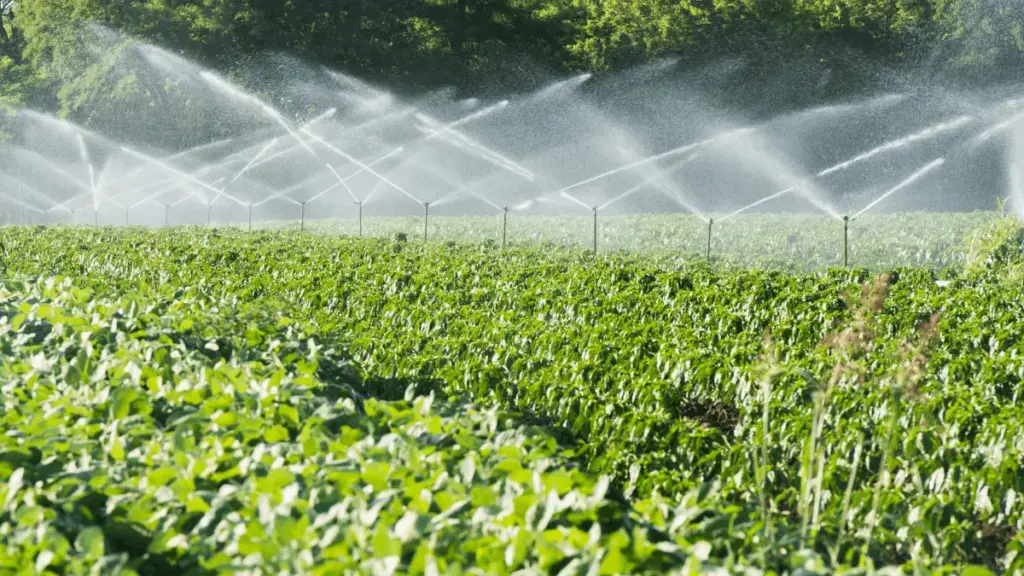
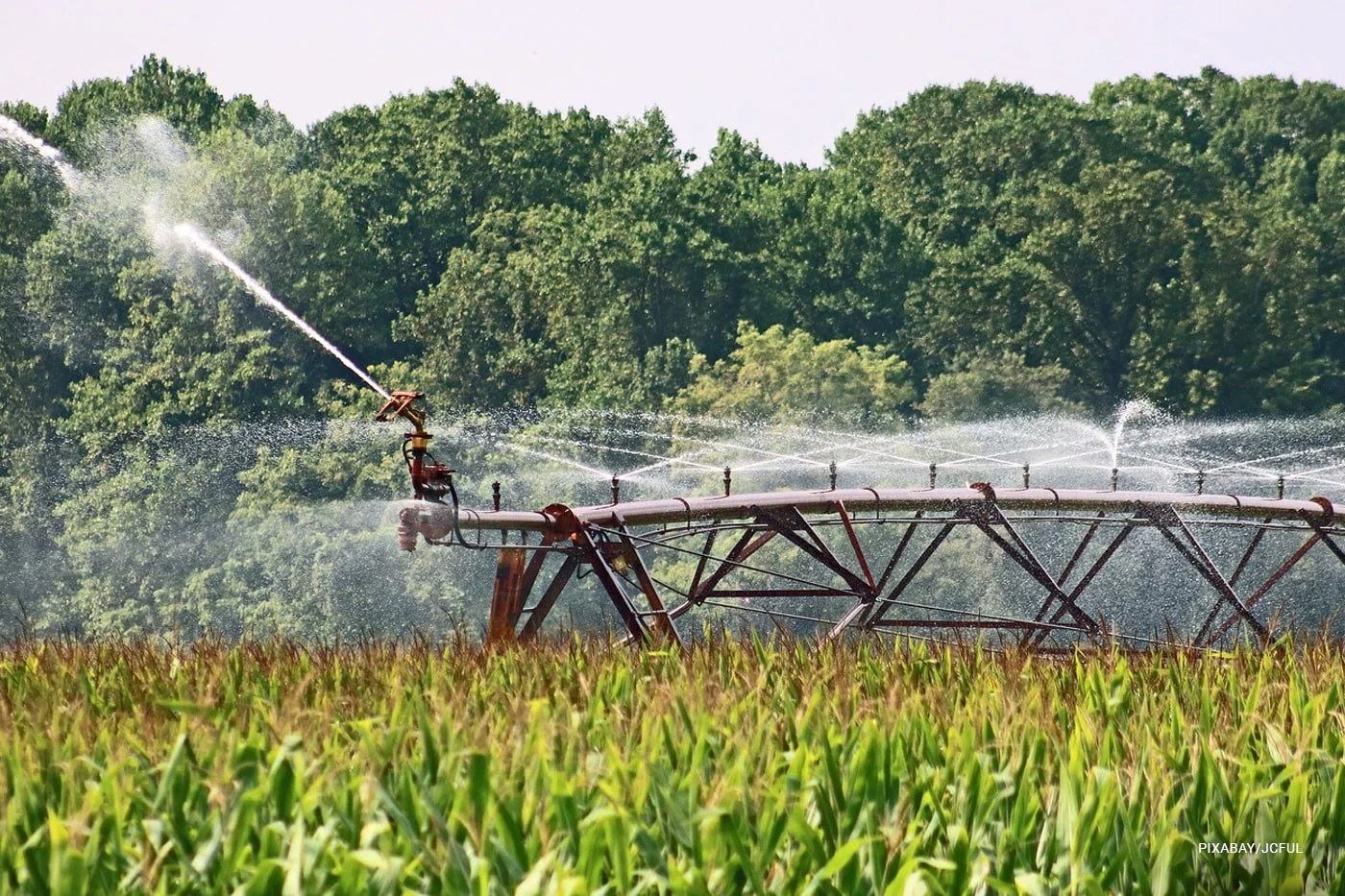
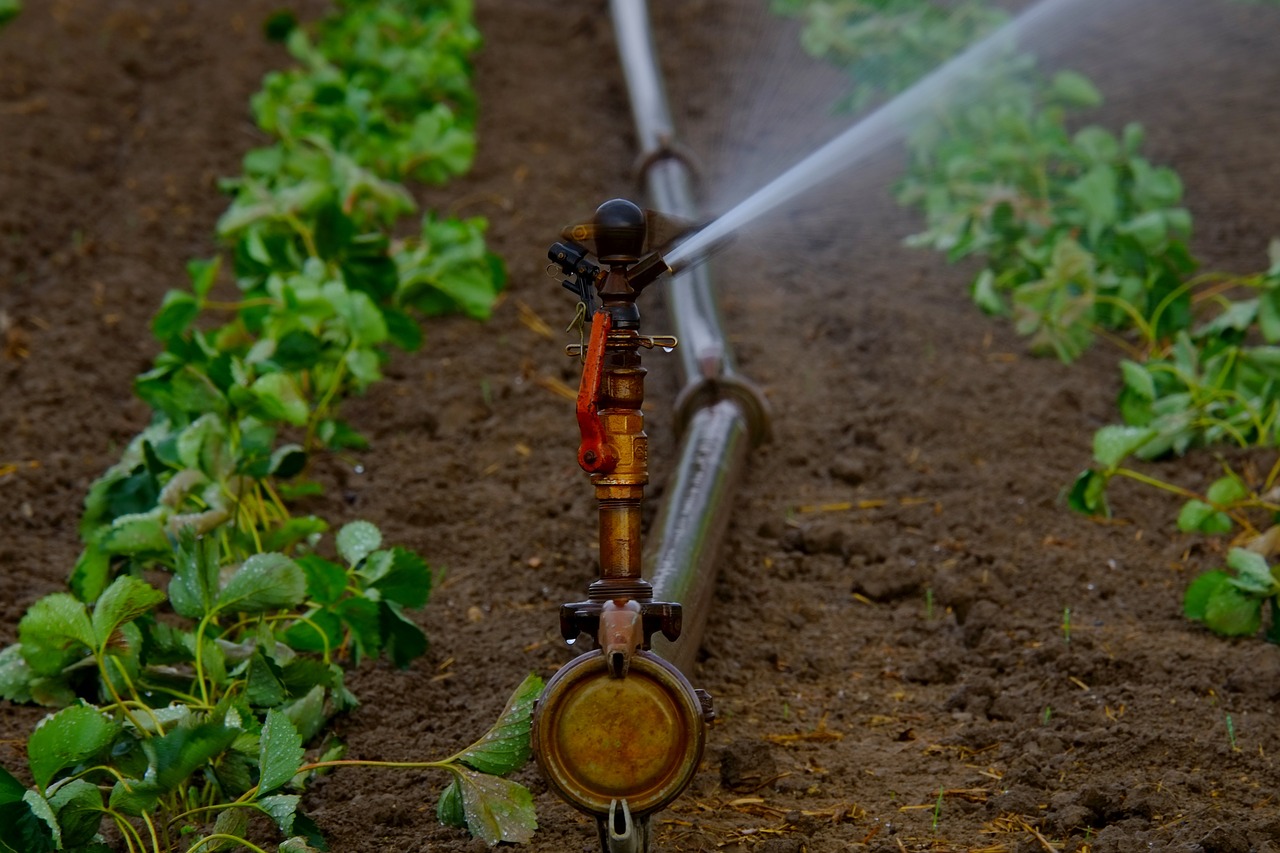
Sprinkler irrigation is another common option. It can work well for certain crops, field establishment, cooling in some situations, and broader area coverage. Sprinklers may be easier to deploy in some layouts, but they often use more water and may increase leaf wetness, which can affect disease pressure depending on the crop and climate.
Surface irrigation includes methods where water moves over the soil surface through furrows, basins, or similar systems. This may be useful in certain farming conditions, but it depends heavily on land shape, water availability, and soil behavior. On many small diversified farms, it is less common than drip or sprinkler systems, though it still has a role in specific settings.
Manual watering with hoses, watering wands, or small mobile setups is often where beginners start. For very small plots, this can work temporarily. However, once the farm grows beyond a small area, manual watering usually becomes time-consuming and inconsistent. It is often best used as a backup, a supplement, or a short-term starting point rather than the permanent main system.
Each system has a place. The goal is not to copy another farm automatically. It is to choose the method that supports your crops, your field conditions, and your actual capacity to manage the system well.
How to Choose the Right System
Choosing the right irrigation system starts with the farm itself. A system that works perfectly for one grower may be a poor fit for another because the land, water pressure, crop mix, and labor patterns are different. This is why irrigation should always be selected based on real conditions rather than assumptions.
The first thing to consider is crop type. Some crops benefit greatly from targeted root-zone watering, while others may tolerate or even benefit from overhead methods at certain stages. Closely spaced beds, tunnel crops, long rows, perennial plantings, and mixed systems all place different demands on irrigation design. A farm growing mainly vegetables in organized beds will often choose differently from a farm using larger blocks or pasture-based production.
The second factor is farm size and layout. A very small growing area may function with a simple system, but once production expands, irrigation must be more organized. Beds should be arranged so lines or hoses can be deployed efficiently, water zones should make sense, and the grower should be able to move through the space without constant adjustment or wasted effort.
The third major factor is the water source. Is the farm drawing from municipal water, a tank, a pond, a well, or another supply? How much flow is available? How stable is the pressure? Does the water need filtration before entering drip lines? These questions affect the design of the entire system. A great irrigation layout on paper will still fail if the source cannot support it.
Budget matters too, but budget should be considered wisely. The cheapest system at the beginning is not always the cheapest over the season if it wastes labor, leaks constantly, or produces uneven results. In many cases, a simple but well-designed irrigation system offers far better value than a poorly planned system with low initial cost. Good irrigation saves time, protects crops, and reduces stress on the farm operation.
Soil should also be part of the decision. A field with weak structure or poor moisture-holding capacity will behave very differently from a field with stronger soil function. This is why irrigation planning is closely linked to improving moisture-holding capacity through broader soil management. Better soil often makes irrigation more effective, while poor soil can reduce the value of even a decent watering system.
Drip Irrigation: Best Uses and Limits
Drip irrigation is often the first system small-farm growers hear recommended, and for good reason. When it is designed and managed well, it can deliver water directly to the root zone with relatively little waste. This can improve efficiency, reduce evaporation compared to broad surface wetting, and support more even watering along planted rows or beds. For many small vegetable farms, drip irrigation becomes the main backbone of the watering system.
One of the biggest strengths of drip irrigation is precision. Instead of wetting the entire field surface, drip lines usually target the places where plants actually need water. This can make irrigation more efficient and help reduce unnecessary weed growth in unwatered areas. It also means foliage often stays drier, which can be useful for crops where too much leaf wetness increases disease risk.
Drip systems also work especially well in organized bed systems and in protected cultivation. If you are using tunnels, irrigation planning becomes even more important because rainfall does not naturally enter the growing space the same way. In those conditions, growers often rely on highly controlled watering methods. This is one reason it helps to learn about protected growing under tunnels as part of a wider farm strategy.
However, drip irrigation also has limits. It requires maintenance, especially filtration and pressure awareness. Lines can clog, leak, shift, or deliver water unevenly if not checked regularly. On very irregular terrain or in systems with poor pressure control, drip performance can become inconsistent. It also requires a farm layout that makes practical sense. If the beds are chaotic or the water source is unreliable, drip alone will not solve the problem.
Another limit is that growers sometimes assume drip irrigation means automatic success. In reality, the system still needs scheduling, monitoring, and adjustment. The farmer must know how long to irrigate, how often, and how soil and weather conditions affect plant need. Drip irrigation is a strong tool, but like any tool, it performs best when paired with observation and good management.
Common Irrigation Mistakes
One of the most common irrigation mistakes is overwatering. Beginners sometimes assume that more water always means healthier plants, but excess moisture can be just as harmful as drought stress. Soil that stays too wet may lose oxygen in the root zone, increase disease risk, and weaken root development. Overwatering also wastes both water and labor, especially on small farms where every input matters.
Underwatering is another frequent problem, especially when manual systems are inconsistent or when the grower does not realize how quickly conditions have changed during hot or windy weather. Crops under water stress often show slower growth, wilting, uneven size, bitterness in some vegetables, poor establishment, or lower yield quality. Once repeated stress becomes part of the system, the whole farm feels less stable.
Another mistake is uneven water distribution. This happens when pressure is inconsistent, lines are too long for the available flow, sections are badly arranged, or equipment is not checked often enough. The result is that one part of the field receives enough water while another part stays too dry. Many growers first notice this only when crop growth becomes uneven, but the real issue is the irrigation system itself.
Poor maintenance also causes many preventable problems. Filters are ignored, fittings loosen, leaks go unnoticed, clogged emitters reduce delivery, and damaged lines stay in use too long. A watering system should never be assumed to be working correctly just because water is coming out somewhere. It needs regular attention.
Finally, some farmers ignore the connection between irrigation and soil condition. A weak field with poor structure, crusting, or low organic matter may respond badly to watering no matter how careful the schedule seems. Water management is always more effective when the soil can absorb, hold, and release moisture in a stable way.
Building a Basic Irrigation Plan
A basic irrigation plan does not need to be overly technical, but it does need to be clear. The farm should know which areas are being watered, what method is used in each area, how long watering takes, how the zones are organized, and what adjustments may be needed for different weather conditions. Even a simple written irrigation plan can prevent confusion during busy periods.
Start by mapping the growing area. Mark the water source, the main production zones, and the likely direction of water lines or hose movement. Group crops or beds in a way that makes irrigation practical. If two areas need completely different watering patterns, they should usually not be treated as if they belong in the same zone. Good zoning saves time and helps the grower manage more precisely.
Next, decide on the watering method for each area. Some fields or beds may use drip lines, while others may use sprinklers or temporary manual support. The plan should reflect what is realistic. It should also consider future growth. A good small-farm irrigation plan allows expansion without forcing the entire system to be rebuilt every time a new section is added.
Scheduling is another essential part of the plan. Instead of watering only when crops already look stressed, the grower should develop a rhythm based on crop stage, weather, and soil condition. Newly planted crops may need different attention than established crops. Sandy soils behave differently from heavier soils. Hot windy weather may demand faster response than cooler, more stable conditions. The plan should not be rigid, but it should create enough structure that watering does not become guesswork every day.
Finally, the irrigation plan should include observation. The grower should regularly check whether the soil is being wetted properly, whether plants are responding well, and whether there are weak spots in the system. Watering is not just about turning on a valve. It is about making sure the field is actually receiving what the crops need.
Water Scheduling and Seasonal Adjustment
One of the biggest differences between weak irrigation management and strong irrigation management is scheduling. A good system is not only about equipment. It is also about timing. The same irrigation setup can perform very differently depending on when and how it is used. That is why a farmer should think of scheduling as part of the irrigation system itself, not as an afterthought.
Young plants and newly transplanted crops often need more careful and frequent moisture support because their root systems are still limited. Established crops may handle longer gaps better, especially if the soil is healthy and moisture retention is stronger. During periods of extreme heat, wind, or rapid growth, water demand may rise quickly. In cooler or wetter conditions, watering frequency may need to be reduced. These changes are normal, which is why rigid unchanging schedules often fail.
The best irrigation schedules are informed by observation. Check the soil, not just the calendar. Look at how deep moisture is reaching, how crops are responding, and whether different areas of the farm are behaving differently. The goal is to create a rhythm that is reliable enough to prevent stress but flexible enough to adjust when conditions shift.
Seasonal adjustment also matters because farms do not stay the same from early spring through peak summer and into the cooler periods of the year. As crop density changes, root depth changes, and weather patterns shift, irrigation needs shift too. A grower who notices this early is usually much better prepared than one who reacts only after stress becomes visible.
Maintenance Tips for Long-Term Use
A good irrigation system stays useful only when it is maintained consistently. Small farms often lose efficiency not because the design was terrible, but because small maintenance issues are ignored until they become larger problems. Leaks, clogged emitters, dirty filters, cracked fittings, and weak pressure zones may seem minor at first, but over time they reduce the reliability of the whole system.
Filters should be checked regularly, especially in drip systems. If filtration is weak, lines may clog and water distribution becomes uneven. Hoses and connections should be inspected for wear, leaks, or accidental damage. Pressure problems should be noticed early rather than left until crop growth becomes visibly inconsistent. If the farm uses removable lines, those lines should be handled and stored carefully enough to extend their life.
It is also smart to review the irrigation system at the start and end of each season. At the beginning, test flow, check connections, clean filters, and replace weak components before crops depend on them. At the end, clean and store what needs protection, note which areas caused trouble, and decide what should be improved before next year. These simple routines can save both money and frustration.
Maintenance is especially valuable because it supports confidence. A farmer who trusts the irrigation system can plan better, manage labor better, and respond to weather changes more calmly. A system that is always uncertain creates low-level stress across the whole farm.
Why Irrigation Should Be Part of the Whole Farm System
Irrigation works best when it is treated as part of the farm system rather than a separate technical layer. Water interacts with soil, crop choice, field layout, planting density, weed pressure, and even harvest quality. A farm that thinks about water only when plants begin to wilt is usually already behind. A farm that plans irrigation as part of the whole system is often easier to manage from the start.
This bigger perspective is important because good irrigation can support many other farm improvements. Better watering helps crops establish more evenly, which supports stronger root systems and more consistent growth. More stable moisture can reduce plant stress, which may reduce vulnerability to certain pests and diseases. Better timing can also improve labor efficiency because the grower is not constantly reacting to emergency conditions.
As the farm develops, irrigation may also influence future decisions about scale, crop diversity, season extension, and infrastructure. That is why smart small farms do not treat irrigation like a one-time purchase. They treat it like a system that grows along with the farm and supports every major production decision.
FAQ
What irrigation system is best for beginners?
The best system depends on the crops, layout, soil, water source, and budget. For many small vegetable farms, drip irrigation is a strong option because it is efficient and works well in organized bed systems, but the best choice is always the one that matches the farm realistically.
Is drip irrigation worth the cost?
In many cases, yes. Drip irrigation can save water, reduce waste, improve root-zone delivery, and support more consistent crop growth. However, it still requires maintenance, pressure awareness, and good scheduling to perform well.
How often should small farms irrigate?
There is no single schedule for every farm. Watering frequency depends on crop stage, soil type, weather, and system design. The best approach is to combine a basic schedule with regular observation of soil moisture and plant condition.
Can small farms rely only on manual watering?
Very small operations may use manual watering for a time, but as the farm grows, it usually becomes less efficient and less consistent. Most farms benefit from moving toward a more organized irrigation setup once the production area expands.
Why does soil condition affect irrigation so much?
Soil controls how water enters, moves through, and stays in the root zone. Better soil structure and more organic matter usually improve infiltration and moisture retention, while poor soil can lead to runoff, weak penetration, or rapid drying.
Do high tunnels need a different irrigation approach?
Yes, protected growing areas often need more controlled irrigation because natural rainfall does not reach the crops the same way it does in open fields. This makes water planning especially important in tunnel-based production systems.