
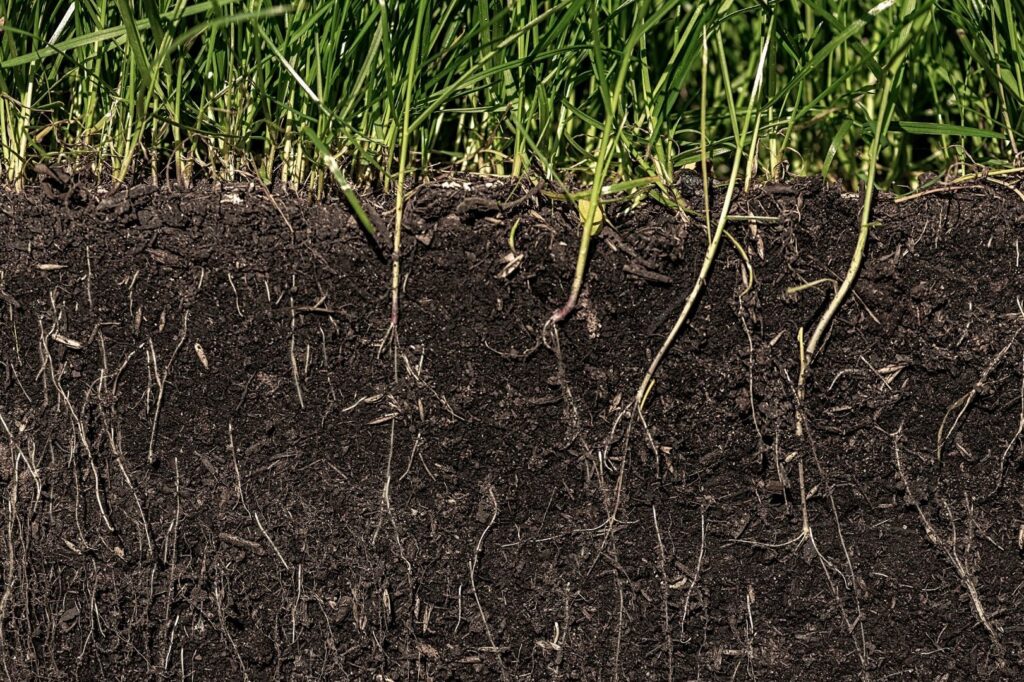
Many beginner farmers spend most of their attention on the crops they plan to sell, harvest, or use directly, but some of the most important plants on a farm are not grown for immediate market value at all. They are grown to protect the land, support the soil, improve field structure, reduce erosion, and strengthen the long-term performance of the farm. This is where cover crops for soil health become one of the most useful tools in practical farming. Cover crops are not just something advanced growers use for theory or appearance. They are a real working part of a stronger farming system.
A field left bare for too long usually becomes more vulnerable. Rain can strike the surface harder, sunlight can dry the ground faster, weeds can move in aggressively, and the soil can lose some of the biological and structural support that comes from living roots. Cover crops help reduce those problems by keeping the soil active and protected during periods when the main crop is not growing there. Instead of allowing the field to stay exposed and biologically quiet, the farmer uses that time to build something useful below and above the surface.
For small farms, market gardens, mixed farms, and beginner growers, cover crops can make a major difference over time. They can help improve organic matter, protect against erosion, support better soil aggregation, reduce weed pressure, and create a more balanced field environment. They can also fit naturally into a wider farm strategy that includes soil-building, rotation planning, composting, and water management. When used well, cover crops do not simply fill empty time. They make the land more productive in a deeper sense.
This guide explains what cover crops are, why they matter, the main benefits they provide, the common types farmers use, how to choose the right cover crop for a particular goal, and how to manage timing well. We will also look at common mistakes, how cover crops work on small farms, and how they connect to broader systems such as soil health, rotation, and organic matter building. The goal is to make this topic practical and clear, especially for readers who are trying to improve their farm step by step instead of chasing complicated solutions.
What Cover Crops Are and Why They Matter
Cover crops are plants grown mainly to benefit the soil and the field system rather than to be harvested as the main commercial crop. They are usually planted between production cycles, during off-seasons, or in periods when the soil would otherwise remain bare. Their job is to protect, support, and improve the land. Some are used to increase biomass, some help with nitrogen management, some improve soil structure, and others are especially useful for weed suppression or erosion control.
The key idea is simple: soil performs better when it is protected and biologically active. Bare ground is often vulnerable ground. It can lose moisture faster, crust more easily, become compacted more quickly, and allow weeds to establish themselves more aggressively. Cover crops reduce that exposure by placing living plants where the soil would otherwise be left open. Those living roots feed soil biology, help stabilize the surface, and create more activity in the root zone.
It is also important to understand that cover crops are not the same as cash crops. Cash crops are grown mainly for sale, consumption, or direct farm output. Cover crops are grown for system value. That value may not always be immediately visible in the form of a harvested product, but it often appears in better soil function, healthier fields, lower erosion, stronger moisture management, and better crop performance in later phases. In other words, cover crops are often an investment in the next crop and the long-term health of the farm.
For beginners, this mindset shift matters. It helps move farming away from a short-term approach where every field must produce direct market output at all times. Instead, it encourages the farmer to think more systemically. Sometimes the most profitable thing a field can do for a period is recover, rebuild, and support the next phase of production more effectively.
Main Benefits of Cover Crops
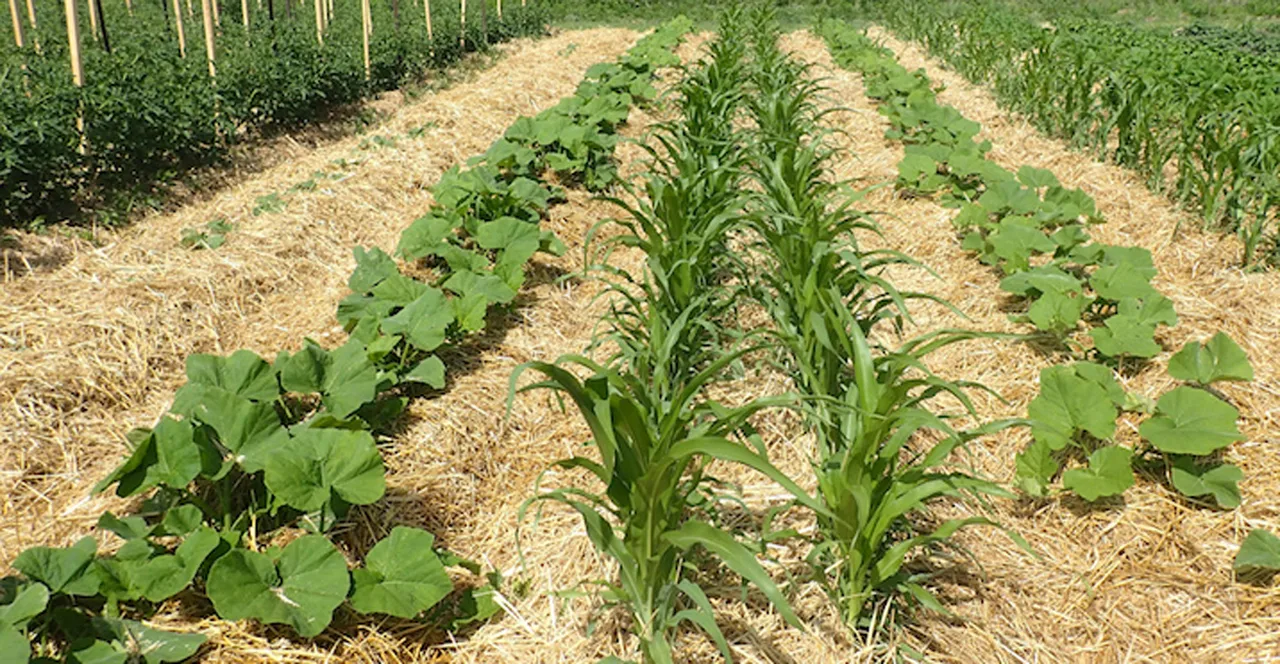
One of the biggest benefits of cover crops is erosion control. Soil that stays uncovered is far more exposed to rain impact, runoff, wind, and temperature stress. A cover crop helps hold the surface together and reduces how easily soil is lost or degraded. This is especially useful in open fields, on sloped ground, or during seasons when weather is less predictable.
Another major benefit is organic matter improvement. Cover crops add biomass both above and below the ground. As roots grow and residues eventually break down, the soil receives inputs that help improve structure and support biological activity. Over time, this can contribute to better aggregation, better moisture behavior, and a stronger overall field environment. If you want to understand the broader framework behind this, it helps to explore core principles of healthy fields as part of a bigger soil-building strategy.
Weed suppression is another practical advantage. A good cover crop can compete with weeds by shading the soil, occupying space, and limiting the opportunity weeds have to establish themselves. While cover crops do not eliminate all weed problems, they can reduce weed pressure significantly when chosen and timed well. This can make the next planting phase easier to manage and reduce labor later.
Moisture protection is also important. Covered soil often handles temperature and moisture extremes better than exposed soil. The surface stays more protected, water loss may be reduced, and the overall root-zone environment can remain more stable. This becomes especially valuable in systems where water efficiency matters and every improvement in soil condition helps the farm function more smoothly.
Finally, cover crops support biological activity and field resilience. They keep roots in the ground, maintain living interaction with the soil, and prevent long idle periods where the field is doing very little biologically. That activity helps make the field more dynamic, less fragile, and more ready to support the next production crop.
Popular Types of Cover Crops
Cover crops are often grouped by function and plant type. Three of the most common categories are legumes, grasses, and brassicas. Each group offers different strengths, and many growers use them alone or in mixtures depending on what the field needs most.
Legumes are often valued because they can support nitrogen-related soil improvement through their relationship with nitrogen-fixing bacteria. They are frequently used when the grower wants a cover crop that contributes biologically while also adding useful biomass. Legumes can be helpful in systems where soil fertility support and biological diversity are important parts of the goal.
Grasses are commonly used for biomass production, surface protection, root density, and erosion control. They often provide strong ground coverage and can be especially useful when the farmer wants to protect the field aggressively and improve surface condition. Grasses can help build a large amount of residue, which is valuable in soil-building programs.
Brassicas are often used for their rooting behavior and their ability to help improve soil structure in some systems. Certain brassicas can help break up tighter soil zones and contribute a different kind of biological and structural effect than grasses or legumes. They can be especially useful when the grower wants more diversity in the cover crop phase.
Many farmers also use mixes rather than a single species. A mix can combine the benefits of different plant types, giving the field more balanced coverage, more varied roots, and more useful biomass. However, mixes also require more planning. For beginners, simple combinations or single-species cover crops are often the easiest starting point because they make management more predictable while still delivering real benefits.
How to Choose the Right Cover Crop
The best cover crop depends on the purpose. There is no single universal option that works equally well for every farm, season, and soil condition. That is why a grower should begin with the question: what do I want this cover crop to do for the field?
If the goal is nitrogen support and biological contribution, a legume-based option may be useful. If the main need is surface protection, weed competition, and large biomass production, grasses may be more suitable. If the goal is to create structural diversity in the soil and avoid repeating the same root pattern, brassicas may play a stronger role. In some cases, the right answer is a mixture that combines several functions in one planting.
The grower should also think about timing. Some cover crops fit well into warm periods, while others are better suited to cooler seasons. Some establish quickly and suppress weeds fast, while others need more time to develop their value. Some are easy to terminate before the next crop, while others require more planning. These questions are just as important as the species itself.
Another useful consideration is how the cover crop fits into the broader production sequence. It should not be chosen in isolation. It should connect to the rotation plan and the next intended crop. If you are already working on designing a better planting sequence, then the cover crop should support that sequence rather than complicate it.
For beginners, the most practical approach is to start with one or two clear goals instead of trying to solve everything at once. Choose a cover crop that matches those goals, plant it in a manageable section, observe how it behaves, and adjust in later seasons. A simple and well-observed system is usually better than a complicated one that is difficult to manage.
When to Plant and Terminate Cover Crops
Timing is one of the most important parts of successful cover crop use. Even a good species can perform poorly if it is planted too late, terminated too early, or allowed to continue longer than the system can handle. Cover crops work best when they fit naturally into the production calendar and do not create avoidable problems for the next crop.
Planting time depends on the climate, the previous crop, and the purpose of the cover crop. A field that is harvested early may allow time for a stronger cover crop stand before colder weather arrives. In other situations, the cover crop may only have a short window, which means the grower needs something that establishes quickly. The more clearly the farmer understands the timing of the production system, the easier it becomes to use cover crops effectively.
Termination is just as important. If the cover crop is left too long, it may compete with the next planting window, become harder to manage, or create too much residue for the chosen system. If it is terminated too early, some of the potential biomass and soil benefit may be lost. The right timing depends on the species, the next crop, the management method, and the goals of the farm.
On small farms, termination may be done through cutting, crimping, mowing, shallow incorporation, tarping, or other practical methods depending on scale and philosophy. What matters most is that termination is planned rather than treated as a last-minute problem. A cover crop should support the system, not create a bottleneck because nobody decided what would happen next.
Cover Crops on Small Farms
Some growers assume cover crops are mainly for large farms, but they are often extremely useful on small farms as well. In fact, small farms can sometimes use cover crops very effectively because the grower is able to observe individual beds, blocks, and timing windows more closely. A small farm may not have massive acreage, but it still has soil that needs protection, organic matter, and biological support.
On a small vegetable farm, a cover crop may be used between crop cycles, in resting beds, in pathways in some systems, or in areas being prepared for future production. On a mixed farm, cover crops can also play a role in broader land management, helping sections recover between more intensive uses. The exact method depends on scale, labor, and layout, but the principle stays the same: keep the soil active and protected when possible.
Small farms also benefit because cover crops can reduce the intensity of some future tasks. Better weed suppression, better structure, and better moisture behavior can make the next production phase more manageable. That matters greatly when labor is limited and every bed needs to perform reliably.
For new growers, the best strategy is often to begin with a clearly defined area rather than trying to convert the entire farm to a new system immediately. Test the cover crop in one section, learn how it behaves, track the timing, observe the soil response, and then decide how widely to use it in future seasons.
How Cover Crops Support Organic Matter and Soil Biology
One of the deepest long-term benefits of cover crops is the way they support organic matter and biological life in the soil. Soil is not just a physical surface. It is a living environment, and that environment becomes stronger when it receives regular biological input. Cover crops provide that input by growing roots, producing biomass, feeding microbes, and helping maintain active underground processes during periods when the field might otherwise be mostly idle.
As roots grow, they interact with the soil in ways that improve aggregation, create channels, and help support microbial communities. When residues return to the field, they add to the pool of organic material that can gradually improve soil behavior. This is one of the reasons cover crops fit so well into broader strategies for boosting organic matter naturally. Compost adds one kind of support, while cover crops add another. Together, they can make soil-building much more effective.
Biology matters because it affects how the soil functions. More active and better-supported biological life can influence residue breakdown, nutrient cycling, structure formation, and long-term resilience. While not every farmer needs to think about every biological detail, every practical grower benefits from a field that behaves more like a living system and less like dead ground that must constantly be corrected from above.
For this reason, cover crops should not be seen only as a seasonal tool. They are part of a larger approach to farming where the field is improved over time instead of simply used until it becomes harder and weaker.
Common Cover Crop Mistakes
One common mistake is choosing a cover crop without a clear goal. If the farmer does not know whether the priority is weed suppression, nitrogen support, erosion control, biomass, or structural improvement, it becomes harder to choose the right plant or mix. This often leads to disappointing results that are not the fault of cover crops themselves, but of unclear planning.
Another mistake is poor timing. Planting too late can reduce establishment. Terminating too late can interfere with the next crop. A cover crop only works well when it is integrated into the production schedule instead of squeezed into it without a real plan.
Some growers also underestimate management. A cover crop is not a magic fix that can be ignored once seeded. It still needs observation. The farmer should know how it is establishing, how thick the stand is, when it will be terminated, and what effect it is expected to have on the next phase. If these things are left vague, the system becomes harder to manage.
Another mistake is expecting instant transformation. Cover crops are powerful, but they usually work best through repetition and consistency. Their value becomes clearer over time as soil condition, weed pressure, moisture behavior, and field structure improve across multiple cycles.
Finally, some beginners choose mixtures that are too complicated for their current experience. While multi-species mixes can be useful, a simple and well-managed cover crop often produces better learning and better results than a complex blend that the grower does not yet understand well.
Why Cover Crops Matter in Long-Term Farm Planning
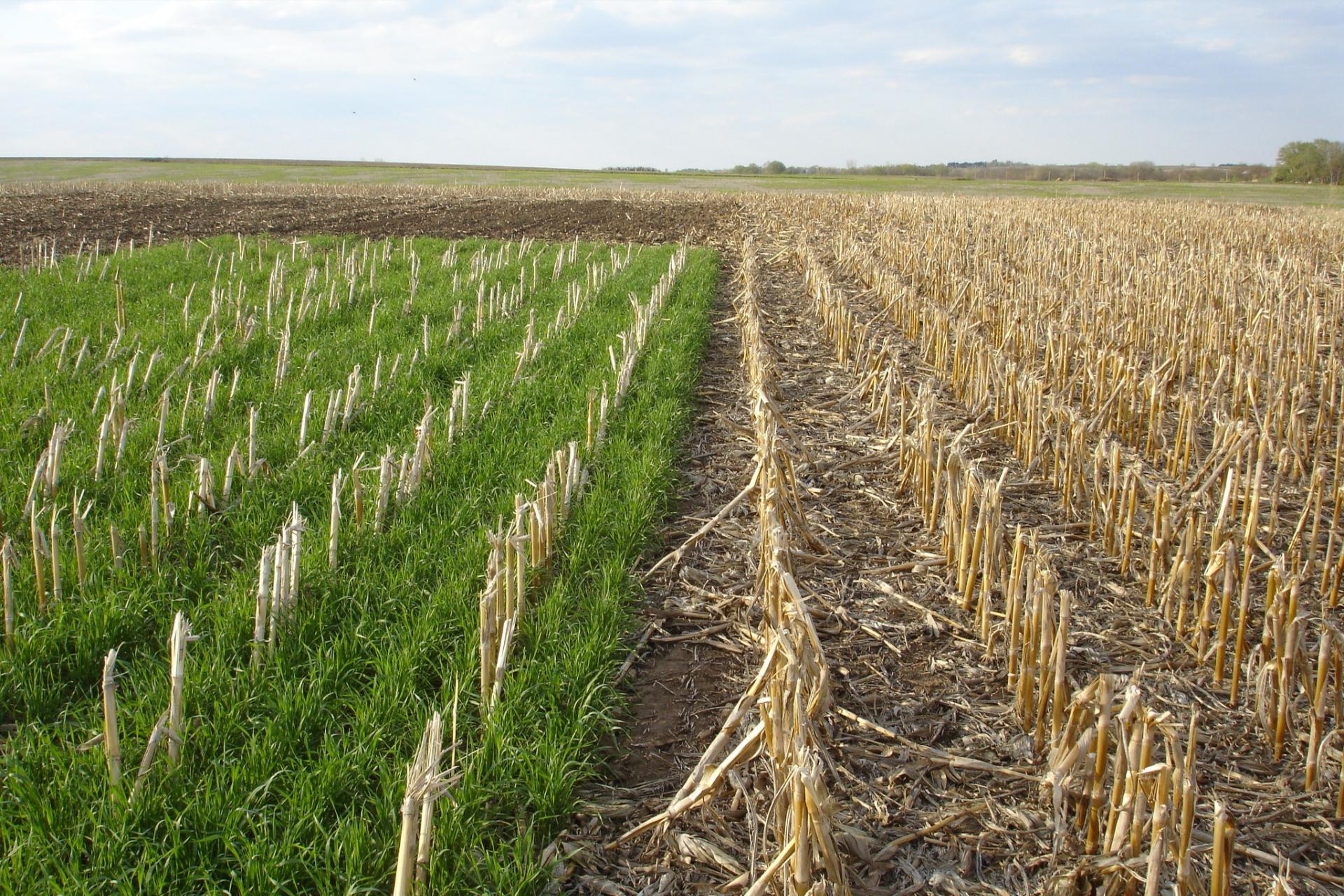
Cover crops matter because they help farmers think beyond the next harvest. They encourage a more stable and resilient view of farming where the land is not only used, but also strengthened. This shift is valuable for beginners because it builds good habits early. Instead of asking only what the field can produce right now, the grower begins asking what the field needs in order to stay productive over time.
This long-term way of thinking improves the whole farm. It supports better rotation planning, better soil management, better water behavior, and better crop performance. A farmer who uses cover crops thoughtfully is usually thinking more systemically about the field as a whole. That kind of thinking leads to stronger farms, especially when it is repeated year after year.
Cover crops also help create resilience. They reduce the damage caused by exposure, support soil life, and improve the field in ways that make future production more reliable. For a small or growing farm, this resilience is not a luxury. It is one of the foundations of long-term success.
FAQ
Are cover crops worth it for beginners?
Yes, cover crops can be very worthwhile for beginners because they help protect the soil, reduce weed pressure, support organic matter, and improve the field over time. They are especially useful when a grower wants to build a healthier system rather than only focus on immediate production.
Which cover crop improves soil fastest?
There is no single answer for every farm. The best choice depends on whether the goal is biomass, nitrogen support, structural improvement, weed suppression, or general soil protection. In many cases, consistent use over time matters more than searching for one perfect species.
Can cover crops reduce weeds naturally?
Yes, many cover crops help reduce weeds by shading the soil, competing for space, and limiting the conditions weeds need to establish. They do not eliminate all weed problems, but they can reduce pressure significantly when managed well.
Do cover crops work on small farms?
Yes, cover crops can work very well on small farms. Small-scale growers often have the advantage of close observation and can use cover crops in beds, blocks, or sections where they fit naturally into the production plan.
When should a cover crop be terminated?
Termination timing depends on the species, climate, management method, and the next planned crop. The key is to terminate it at a point that supports the next stage of production rather than creating a delay or management problem.
Can cover crops replace compost?
Cover crops and compost do different but complementary jobs. Cover crops help protect the field, maintain living roots, and add biomass through plant growth, while compost provides a more direct organic input. Many farms benefit most when both are used as part of a broader soil-building strategy.