
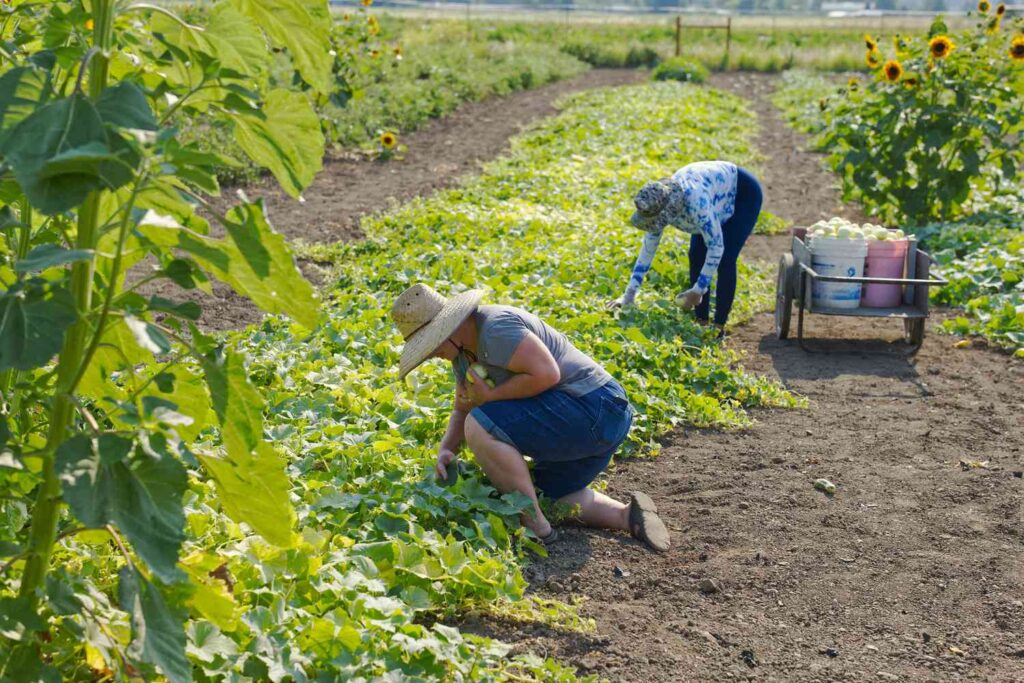
Starting a farm is one of those goals that can feel both simple and overwhelming at the same time. On the surface, the idea seems clear: find land, choose crops or animals, work hard, and grow something useful. In reality, the early stage of farming is full of decisions that shape everything that comes later. What kind of farm should you build? How much land do you really need? What should you grow first? How much money should you invest at the beginning, and what should you avoid spending on until you understand your operation better? These questions matter because a farm becomes easier or harder depending on the choices made before the first serious season even begins.
This guide is designed for people who want a realistic answer to the question how to start a farm. It is written for beginners who want a practical path, not a fantasy version of farming. Some readers may be starting with a backyard and a desire to expand into a small commercial setup. Others may already have access to several acres and want to build a productive farm gradually. Some may want vegetables, others herbs, berries, flowers, mixed crops, or a broader farm business model. No matter the direction, the first principle stays the same: strong farms are built on clear decisions, not rushed enthusiasm.
A beginner does not need to start with a huge budget, a long equipment list, or a large production area. In most cases, the smartest approach is to build a farm that matches your land, time, knowledge, and resources. That may sound obvious, but many first-year problems happen because new growers build a farm that is larger or more complicated than they can manage well. A better strategy is to create a farm that allows learning, observation, and gradual improvement. That kind of farm is more likely to survive the mistakes that every beginner will make.
In this article, we will walk through the most important parts of starting a farm: defining your goal, choosing the right type of farm, assessing your land, understanding startup costs, starting small, building useful routines, and covering the legal and business basics. Along the way, you will also see how planning connects to soil, water, and long-term farm systems. If you want the best results from your first seasons, the farm should begin with thoughtful structure rather than guesswork.
Why Starting a Farm Requires a Clear Plan
Many people start farming because they are motivated by freedom, food production, self-reliance, or a business idea they want to build over time. Those are strong reasons, but motivation alone does not create a workable farm. Farming is not only about growing plants or raising animals. It is also about matching tasks to time, matching systems to land, and matching ambition to real capacity. A clear plan helps turn interest into something durable.
Without a plan, beginners often make the same mistakes. They plant too much too soon, buy tools they do not yet need, choose crops that do not suit the site, or underestimate the amount of labor required to water, weed, monitor, harvest, and maintain the growing area. Another common problem is jumping into production without understanding how all the pieces connect. Soil quality affects irrigation. Irrigation affects crop stress. Crop stress affects pest pressure. Crop choices affect labor, timing, and infrastructure. Once you understand that farming is a system, planning becomes less about paperwork and more about making the farm workable.
A good farm plan does not need to be complicated. It simply needs to answer a few practical questions. What is the purpose of the farm? How much time can you give it each week? What land and water resources do you have? What do you want to produce in the first season? How much risk can you afford? What skills do you already have, and what must you learn quickly? A written plan, even a simple one, helps keep you focused when the season gets busy and decisions start piling up.
Planning also gives beginners permission to start smaller than they first imagined. That is not a weakness. It is often the smartest possible move. A farm that grows from a solid base can expand later with much less waste and confusion.
Decide What Kind of Farm You Want to Build
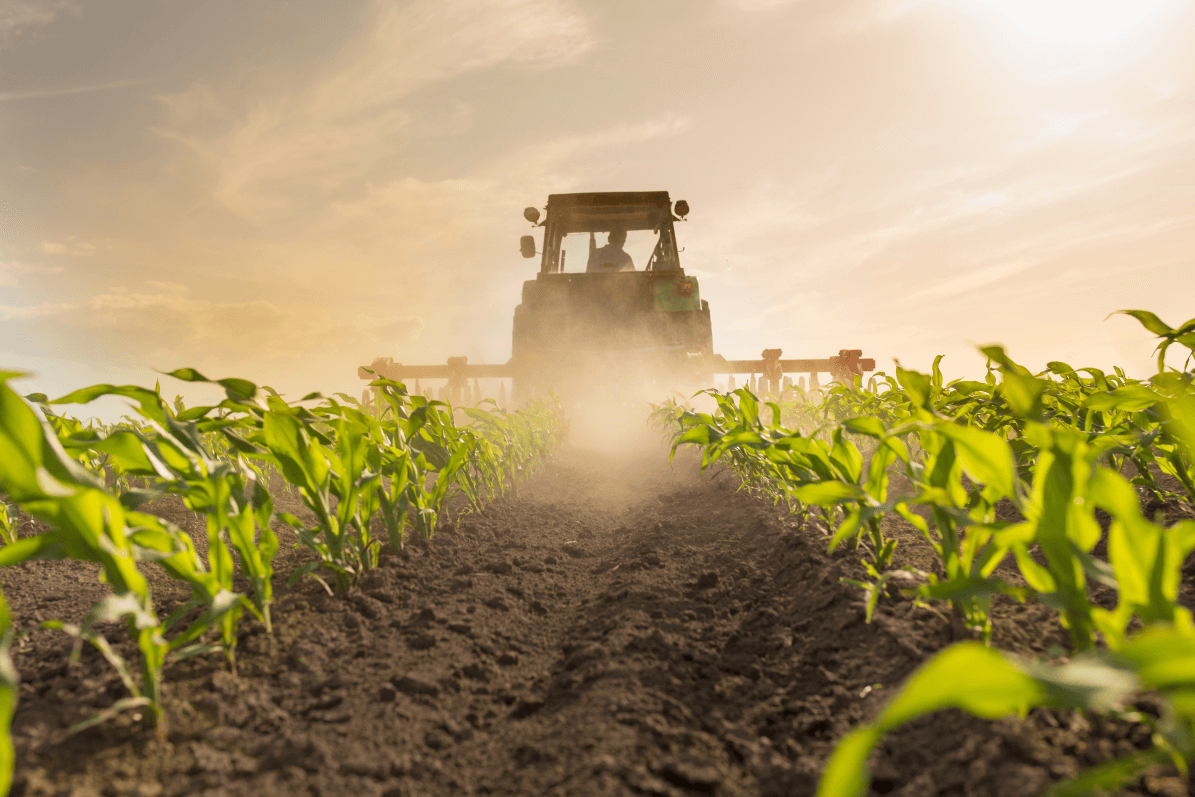
Before investing money or preparing land, decide what kind of farm you actually want. This step matters because different farm types need different layouts, tools, schedules, water systems, and labor patterns. A vegetable farm is managed differently from a berry farm. A mixed farm works differently from an herb-focused operation. A homestead-style production model differs from a market-oriented small farm. Even if you do not know the final version yet, you still need a clear first direction.
For many beginners, a small diversified crop farm is the easiest entry point. It allows you to learn about planting, soil improvement, watering, harvest timing, and seasonal flow without committing to a highly specialized system too early. However, diversification has a limit. Too many crops can create confusion in the first season. Starting with a focused crop list is often better than trying to grow everything at once.
Some beginners are attracted to specialty farming, such as herbs, microgreens, flowers, garlic, berries, or nursery plants. These models can work well, but each one comes with its own production rhythm and infrastructure needs. For example, flowers may require careful timing and handling, while herbs can demand strong succession planning and consistent quality. Protected growing systems such as tunnels may support some crops especially well, but they also require better temperature, moisture, and airflow management.
If you are drawn to organic or low-input growing, it is wise to think about that from the start because it influences planning, inputs, field management, and documentation. You do not need to be certified immediately to benefit from stronger system thinking. If that direction interests you, later you can explore moving toward certified organic production as a longer-term goal.
The best beginner farm is rarely the most ambitious one. It is the one that fits your current land, schedule, and learning capacity while still giving you room to grow. Choose a direction that you can manage well, observe closely, and improve season after season.
Assess Your Land and Local Conditions
Once you know what kind of farm you want to build, the next step is to look honestly at the land. Beginners often think of land mainly in terms of size, but the quality and usability of land are often more important than total area. A small area with decent soil, reliable water, strong sunlight, and good access may outperform a larger property with drainage problems, poor layout, or weak infrastructure.
Start by studying the basic physical conditions. How much sun does the area get? Are there parts of the property that stay wetter after rain? Are some areas exposed to strong wind? Is the growing ground close enough to your water source to make irrigation practical? Can you move tools, compost, and harvests around the site easily? Is the land flat enough for your chosen system, or will slope affect drainage and daily work?
Soil deserves its own close attention. Healthy soil makes beginner farming easier because it supports roots, holds water more evenly, and gives crops a stronger foundation. Poor soil often creates extra work and weaker performance. That is why it is so useful to spend time building healthy farm soil before expecting great results from the field. Even if the soil is not ideal, it can often be improved significantly through thoughtful management, but you need to know its starting condition first.
Water access is just as important. Many new farmers underestimate how much daily production depends on reliable watering. A crop can have good genetics, good spacing, and a good planting date, but if the watering system is inconsistent, the field will still struggle. When evaluating land, think immediately about choosing a reliable water setup that matches your farm size, crop type, and labor capacity.
Climate and season length matter too. A beginner should understand the local frost dates, summer heat pattern, rainfall pattern, and general growing season length before making crop decisions. Some land supports open-field growing well, while other situations may benefit from wind protection, mulch, tunnels, or a shorter initial crop list. You do not need to know everything perfectly, but you do need to see that the land is not just a backdrop. It is one of the central partners in the farm.
Estimate Your Startup Costs
One of the hardest parts of starting a farm is deciding what actually needs to be purchased in the beginning. Many people assume they need a large budget before they can start. Others spend quickly because they are afraid of being unprepared. In reality, beginner farm spending should be guided by function, not excitement. The goal is to invest first in the things that make the farm workable and productive, while delaying unnecessary purchases until the operation becomes clearer.
Startup costs usually fall into a few major groups. The first is land-related cost, whether that means purchasing land, leasing it, improving it, or preparing it for use. The second is basic infrastructure, such as irrigation, fencing if needed, storage, shade, or simple work areas. The third is production inputs: seeds, trays, compost, amendments, mulch, tools, and any crop-specific materials. The fourth is business-related cost, which may include registration, packaging, transport, insurance, or record-keeping systems.
At the beginning, essentials matter more than upgrades. A beginner farm needs working water, useful tools, clear layout, and a manageable crop plan far more than it needs impressive equipment. If you do not yet know your workflow well, it is smarter to use simple tools and upgrade later when real experience shows where bottlenecks exist. Many farms waste money by purchasing equipment based on assumption instead of proven need.
It is also wise to budget for learning. Mistakes will happen. Crops may underperform. A watering plan may need adjustment. A material you thought would be helpful may not be as useful as expected. That is normal. A flexible budget allows the beginner to adapt without panic. The farm does not need perfect spending. It needs thoughtful priorities.
Try to separate must-haves from nice-to-haves. Water access, site preparation, essential tools, basic fertility planning, and a record system are usually must-haves. Advanced structures, extra machinery, decorative upgrades, or oversized production materials are often better delayed until the farm proves what it actually needs.
Start Small Instead of Overbuilding
One of the most valuable beginner strategies is starting smaller than your enthusiasm might suggest. This advice appears often because it works. A smaller first season allows you to observe the site, test crops, understand labor needs, and correct mistakes while the scale is still manageable. It is much easier to improve a small system than rescue a large one that is already slipping out of control.
Overbuilding creates stress fast. A bigger area means more watering, more planting coordination, more weed pressure, more harvest timing, and more chances for things to go wrong at once. For a new grower, that can turn the first season into constant reaction. When that happens, the farmer stops learning calmly and starts only trying to catch up. A smaller beginning allows better attention, clearer observation, and more useful records.
Starting small does not mean thinking small forever. It means building a foundation that is strong enough to support later expansion. You can still plan the farm with future growth in mind. For example, you can place the first beds or rows where future irrigation lines will still make sense. You can design pathways with expansion in mind. You can begin with a few crops that teach the right lessons and later increase diversity once timing and workflow are better understood.
A pilot season is often the smartest possible first step. Choose a limited area, a reasonable crop list, and a manageable maintenance routine. Use that season to learn the land, test soil-building methods, evaluate water delivery, and understand how much time tasks actually take. The knowledge gained from one focused season can save far more money and stress than trying to launch a full-scale operation immediately.
In farming, slow and organized often beats fast and scattered. Starting small is not a sign of doubt. It is a sign of good judgment.
Build a Farm Routine and Record System
Once the first season begins, daily and weekly routines matter more than many beginners expect. Farming is made up of repeated actions: checking moisture, observing crop growth, looking for stress, managing weeds, noting pest activity, adjusting irrigation, and tracking what was planted when. These tasks do not look dramatic, but they are the core of competent farm management.
A useful farm routine helps beginners stay ahead of problems instead of noticing them too late. For example, walking the field regularly can reveal dry spots, early pest pressure, weak growth zones, or irrigation issues before they become larger losses. A routine creates consistency, and consistency creates stronger crops. It also reduces the mental chaos that new farmers often feel when many tasks compete for attention at once.
Record keeping is equally important. Notes help transform one season into experience that can actually guide the next one. Keep track of planting dates, varieties, irrigation timing, weather patterns, problem areas, pest observations, soil amendments, and harvest timing. These notes do not have to be beautiful. They just need to be clear enough to help you see patterns. Over time, records reveal what performs well, what struggles repeatedly, and what should be changed next season.
A basic record system might include a planting log, a field map, an input record, and a simple seasonal review. At the end of the season, ask a few direct questions. Which crops performed best? Which ones took too much labor for the result? Where did water management work well, and where did it fail? Which areas of the field need soil improvement? These questions help the farm grow more intelligently instead of simply getting busier.
A good routine does not have to feel rigid. It just needs to support reliable observation. Farming becomes easier when fewer decisions are left entirely to memory and guesswork.
Legal and Business Basics for New Farmers
Even very small farms benefit from thinking about the business side early. This does not mean creating a complicated legal structure before you understand your operation, but it does mean taking the basic framework seriously. If the farm is intended to generate income, even part-time, it is wise to understand local requirements for registration, sales, permits, food handling, transport, and any crop-specific rules that may apply.
The legal side will vary depending on location, so beginners should always check local regulations rather than copying advice blindly from another country or region. In some places, direct sales at markets or from the farm gate may require certain registrations or labeling practices. In others, water use, structures, animal keeping, or value-added products may have separate rules. The point is not to create fear. It is to reduce surprises by checking what applies before the farm depends on assumptions.
Basic bookkeeping also matters from the start. Even a small farm should track income, expenses, input purchases, fuel or transport if relevant, and major infrastructure spending. This helps you understand whether the farm is moving toward sustainability or simply consuming money without a clear return. Beginners often focus entirely on the production side and only later realize they do not actually know which parts of the operation make sense financially.
Insurance may also be worth considering depending on your scale, location, and type of activity. If customers visit the site, if you sell to the public, or if structures and equipment represent serious value, risk should be taken seriously. Good farming is not only about production. It is also about protecting the work you are building.
The business side may feel less exciting than planting, but it supports the long-term health of the farm. A grower who understands both field realities and basic financial structure is in a much stronger position to make durable decisions.
First-Year Farm Checklist
The first year is not about doing everything. It is about learning what matters most on your land and building a farm that functions well enough to improve with each season. A simple checklist helps beginners stay focused on the essentials instead of chasing every idea at once.
- Define your goal: Decide whether the farm is for home use, side income, local sales, or a long-term business path.
- Choose a manageable farm type: Match the model to your land, water, time, and skill level.
- Assess the site: Study sun, soil, drainage, wind, access, and layout.
- Test and improve soil: Begin soil-building early instead of waiting for problems to appear.
- Plan the water system: Make sure the growing area can be watered reliably and efficiently.
- Create a realistic crop plan: Choose a focused set of crops that you can manage well.
- Set a startup budget: Buy essentials first and delay unnecessary spending.
- Build routines: Create a schedule for observation, maintenance, and note-taking.
- Track records: Keep clear notes on planting, irrigation, growth, and results.
- Review the season honestly: At the end of the year, evaluate what worked, what failed, and what should change.
If you complete these first-year tasks with attention and patience, you will already be ahead of many beginners who enter farming with more excitement than structure. The first year does not need to be perfect. It needs to be useful.
Thinking Long-Term From the Beginning
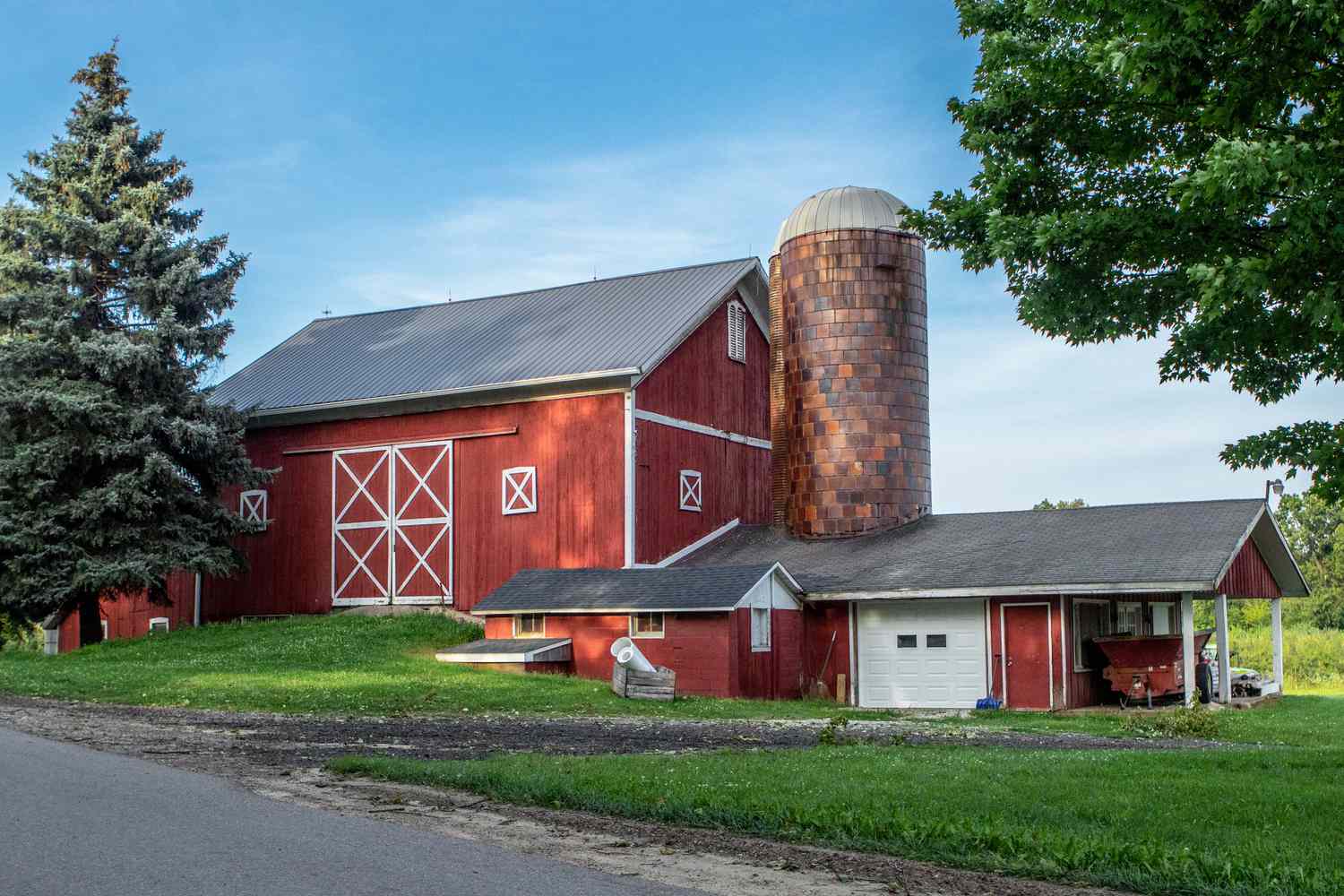
Even when starting small, it helps to think one step ahead. Long-term thinking does not mean locking the farm into a rigid future plan. It means making early choices that still make sense if the farm grows later. For example, it is smart to place early production zones where expansion remains practical, to choose crops that teach transferable skills, and to improve soil in a way that benefits the site over many seasons rather than only this month.
Long-term thinking also encourages patience. Many beginners judge their farms too harshly after one season. They see every problem as proof that they are failing, when in reality early problems are often normal parts of learning. What matters more is whether the farm is becoming more organized, better observed, and more responsive to real conditions. Improvement is a stronger goal than instant perfection.
A farm built with patience tends to become more resilient. The grower understands the land better, the soil improves, watering becomes more efficient, the crop plan becomes clearer, and records help reduce repeated mistakes. Those are real signs of progress. A good farm is not built in one dramatic moment. It is built through many seasons of practical decisions done well enough to keep moving forward.
FAQ
Can you start a farm with little money?
Yes, many people begin with limited budgets by starting on a small scale, focusing on essential infrastructure, and delaying larger purchases until they understand the operation better. The key is to prioritize soil, water, layout, and a manageable crop plan instead of spending heavily on things that are not yet necessary.
What is the easiest farm type for beginners?
There is no single answer for everyone, but many beginners do well with a small and focused crop farm because it teaches core skills such as planning, planting, irrigation, soil care, and harvest timing. The easiest farm type is usually the one that fits your land, time, budget, and local conditions most realistically.
How long does it take to become profitable?
Profitability depends on farm type, scale, market access, startup costs, and how efficiently the system is managed. Some small farms begin generating useful income relatively early, while others take longer because they are still building soil, infrastructure, and customer relationships. Beginners should focus first on creating a workable and efficient system.
Should you buy land before learning to farm?
Not always. Some people benefit from learning on rented land, a family property, a small growing area, or even a pilot-scale setup before purchasing land. Hands-on experience can make later land decisions much smarter. What matters is gaining practical knowledge while keeping risk manageable.
How many crops should a beginner start with?
It is usually better to start with a smaller number of crops and manage them well. A focused crop list helps beginners learn spacing, watering, timing, pest observation, and harvest management more clearly. Too many crops too early can make the first season harder than necessary.
Why do so many beginner farms struggle?
Most beginner farms struggle because they start too big, underestimate labor and irrigation needs, ignore soil condition, or operate without a clear plan. The good news is that these problems are often preventable. A realistic scale, better observation, and stronger systems can make a major difference.
Do you need a business plan to start a small farm?
You do not always need a formal business plan in the beginning, but you do need a clear written plan for your goals, budget, crop focus, and basic operational setup. Even a simple planning document can help prevent confusion and improve decision-making.
What should be the top priority in the first season?
The top priority should usually be building a manageable system. That means understanding the site, improving soil where needed, ensuring reliable water access, choosing a realistic production scale, and keeping good records. These foundations support everything else that comes later.